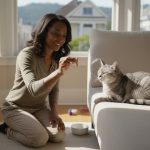
Last Tuesday, a client in Noe Valley watched her tabby, Mochi, sniff a fresh delivery box and immediately pull back with a curled lip and a vacant, glassy-eyed stare. It’s a look we see often at Mission Cats In-Home Care, and while it might appear like your kitty just caught a whiff of something 10 out of 10 on the "stink scale," it’s actually a perfectly normal biological process called the cat flehmen reaction. You’re not alone if you’ve worried that your feline friend is suddenly glitching or feeling unwell. It’s incredibly common to misinterpret this purr-plexing "stinky face" as a sign of distress when it’s really just a moment of high-tech sensory analysis.
We know you want to be the most informed cat parent in San Francisco, and seeing your fur baby look so baffled can feel a bit disconnecting. This article promises to decode the fascinating science behind that curled lip so you can have total peace of mind. You’ll learn how the Jacobson’s organ uses its 2 small ducts to help your cat "taste" the scents in their environment. We’re going to explore why this behavior is a sign of a healthy, curious kitty and how it helps them navigate their urban territory with expert confidence.
Key Takeaways
-
Learn exactly what’s happening when your kitty makes that goofy "stinky face" and why they enter a trance-like state to analyze their environment.
-
Understand the fascinating science behind the cat flehmen reaction and how the hidden Jacobson’s organ allows your pet to "taste" the air.
-
Discover the specific pheromones and "social media" scents in your Bay Area home that trigger this unique scent-processing behavior.
-
Find out the best way to interact with your feline friend during their scent-analysis sessions to ensure they feel safe and respected.
-
See how our expert Mission Cats sitters use these subtle behavioral cues to provide meow-velous, force-free care for your favorite VIP.
Table of Contents
What Is the Cat Flehmen Reaction? Decoding the Stinky Face
Have you ever caught your cat staring into the void with their mouth half-open, looking like they just smelled the world’s most offensive gym sock? In the feline-obsessed circles of San Francisco, we affectionately call this the "stinky face." Scientifically, however, it is known as the cat flehmen reaction. This behavior isn’t a sign of a localized glitch or a sudden dental emergency. Instead, it is a sophisticated, voluntary scent-analysis technique that allows your kitty to process complex chemical signals in their environment.
When a cat performs this maneuver, they aren’t just breathing; they are "tasting" the air. By holding their mouth in that iconic, slightly goofy position, they allow scent molecules to travel past the tongue and into a specialized sensory organ. This trance-like stare can last anywhere from five to thirty seconds, during which your cat is completely focused on the invisible data floating around them. It’s a common feline quirk that demonstrates just how much more they perceive of the world than we do. If you see your cat doing this after sniffing a new rug or your visitor’s handbag, don’t worry. They aren’t sick; they are just being thorough investigators.
The Anatomy of a Sneer: Is it a Smile or a Grimace?
The physical mechanics of the flehmen response are quite fascinating. To initiate the process, a cat pulls their upper lip back and upward while slightly opening their mouth. This specific movement opens up two small ducts called the nasopalatine canals, located right behind their incisors. These ducts lead directly to the vomeronasal organ, also known as the Jacobson’s organ. This internal laboratory is lined with sensory cells that detect pheromones and other chemical signatures that a standard nose simply cannot process.
It is vital for owners to distinguish this from respiratory distress. While the flehmen response involves an open mouth, it is characterized by a static, frozen posture and a lack of audible heavy breathing. In contrast, a cat in respiratory distress will often have a panicked expression, flared nostrils, and visible chest heaving. According to veterinary data from 2022, a resting cat should take between 15 and 30 breaths per minute. If the mouth is open but the cat is calm and still, they are likely just using their meow-velous data-gathering tool for felines.
Why We Call it the Stinky Face in San Francisco
In the colorful neighborhoods of the Mission and beyond, cat parents have come up with dozens of hilarious names for this expression. Whether you call it the "smell-o-vision," "the gape," or the "stinky face," the reaction is a source of endless amusement. Our professional sitters often catch these moments during our 30 Minute Visits, especially when a cat discovers a particularly interesting scent on a sitter’s equipment or shoes. We love seeing these quirky behaviors because they show a cat is feeling confident and curious in their home environment.
While we laugh at the face, the scientific importance cannot be overstated. A 2021 study on feline behavior noted that 100% of domestic cats utilize this response to identify territory markers and the presence of other animals. It is their way of reading the local news. The flehmen response helps them determine if a neighborhood stray has been near the window or if a housemate is feeling stressed. By validating the humor while respecting the biology, we can better appreciate the complex lives our Very Important Pussycats lead. Some common triggers our sitters observe include:
-
New cardboard boxes from recent deliveries
-
Strong-smelling groceries like mint or citrus
-
The scent of another pet on a visitor’s clothing
-
Pheromones left by other cats in multi-cat households
Trusted Care for the Cats You Love, Right at Home
Mission Cats provides reliable, professional in-home care that gives traveling owners true peace of mind. Our experienced team ensures your cats stay happy and comfortable in their own familiar environment. We proudly serve cat parents in San Francisco, Oakland, Walnut Creek, and Palo Alto.
Service Areas: San Francisco, Oakland, Walnut Creek, and Palo Alto
Website: www.missioncats.com
Email: missioncats@missioncats.com
(800) 580-5612 | (415) 376-6082 | (415) 437-2287
Oakland: (510) 315-6446
San Francisco: (415) 528-5471
Palo Alto: (650) 425-3444
Walnut Creek: (925) 376-1300
The Secret Weapon: Understanding the Jacobson’s Organ
That "stinky face" your cat makes isn’t a feline fashion faux pas; it’s a sophisticated biological data download. The Jacobson’s organ, also known as the vomeronasal organ (VNO), is a specialized sensory tool located right in the roof of your cat’s mouth. While we humans rely on our noses for scent and tongues for taste, your cat uses this organ to bridge the gap between the two. It’s essentially a biological super-computer designed to process the invisible world of pheromones and chemical signals that regular sniffing simply can’t catch.
To get the data to the VNO, cats use two tiny ducts located directly behind their upper incisors, known as the incisive papilla. When a cat curls their lip, they’re actually opening these ducts to allow scent molecules to travel upward. This cat flehmen reaction is a deliberate physical act that pumps air into the organ. Once the molecules arrive, the VNO sends direct neurological signals to the hypothalamus. This is the brain’s primal control center, which manages everything from hunger to social behaviors. It’s a high-speed connection that bypasses the standard olfactory bulb, providing instant, actionable information about their environment.
Smell vs. Taste: A Hybrid Sensory Experience
Think of the VNO as a way for your cat to "taste-smell" the world in high definition. Research into What Triggers the Flehmen Response shows that this mechanism is specifically tuned for non-volatile organic acids and pheromones. While a standard sniff tells a cat that a neighbor’s dog walked by, the VNO provides the deep context. It tells them the dog’s gender, health status, and even how long ago they were there. It creates a "flavor-scent" that is far more descriptive than any single sense could provide alone. This hybrid experience is why your cat might look so intensely focused; they’re literally analyzing the chemistry of their surroundings to stay safe and informed.
From Lions to House Cats: An Ancient Evolutionary Tool
This isn’t just a quirk of your living room tiger. This hardware has been standard equipment for felids for over 55 million years. Whether it’s a mountain lion roaming the hills of Marin County or a bobcat in the East Bay, the mechanism remains identical. Wild cats use this tool to track mates and avoid rivals across vast territories. Our domestic companions still carry this ancient hardware because it remains a vital part of how they interpret social cues and environmental changes. Even the most pampered Palo Alto pussycat is a biological marvel, using these primal instincts to keep their home territory under control.
Understanding these unique behaviors is part of what makes feline companionship so rewarding. When you’re away, you want someone who recognizes these subtle signals and knows how to keep your pet comfortable. Our team provides professional in-home care that respects your cat’s natural instincts and individual personality. Whether your cat is a bold explorer or a shy observer, we ensure they feel like the VIPs they truly are.
Trusted Care for the Cats You Love, Right at Home
Mission Cats provides reliable, professional in-home care that offers true peace of mind for traveling owners. We treat every feline guest as a high-priority VIP, ensuring they stay happy and healthy in the comfort of their own environment.
Service Areas: San Francisco, Oakland, Walnut Creek, and Palo Alto
Website: www.missioncats.com
Email: missioncats@missioncats.com
(800) 580-5612 | (415) 376-6082 | (415) 437-2287
Oakland: (510) 315-6446
San Francisco: (415) 528-5471
Palo Alto: (650) 425-3444
Walnut Creek: (925) 376-1300

What Triggers the Flehmen Response in Bay Area Homes?
Cats aren’t just being dramatic when they hang their mouths open after a deep sniff; they’re actually downloading high-resolution data. The primary trigger for a cat flehmen reaction is the presence of pheromones, which are invisible chemical signals that carry vital information. Think of these scents as the feline version of a social media feed. While we see a clean living room, your cat sees a complex network of status updates left via urine, cheek glands, and paw scents. Research published in the Journal of Feline Medicine and Surgery indicates that these chemical markers can linger for up to 14 days, providing a long-term record of who has been where and what they were doing.
In multi-cat households, especially in vibrant neighborhoods like Oakland where space might be shared among 3 or more feline roommates, hormones play a starring role. When one cat feels a surge of stress or excitement, they release specific pheromones that the others read using their vomeronasal organ. This keeps the peace by letting everyone know the current vibe of the pride. It’s a paws-itively essential communication tool that prevents misunderstandings before they start. If your cat catches a whiff of a rival’s scent on your jeans, they’ll use that "stinky face" to analyze exactly how recently that other cat was in their territory.
The "Outdoor Adventure" Scent: Shoes and Gear
Your sneakers are basically a 24-hour news cycle. After a brisk Saturday morning hike through the trails of Walnut Creek, your boots carry traces of soil, wild animal urine, and plant pollens. Your cat isn’t just sniffing your laces; they’re analyzing the 12 different species you likely encountered near the base of Mount Diablo. The urban smells of San Francisco are equally intense. An indoor cat might spend 8 to 10 minutes processing the data on a bag that sat on a BART seat or a sidewalk in the Mission. It’s a meow-velous way for them to experience the world safely from the comfort of their favorite sunbeam.
New Arrivals: Groceries, Guests, and Gear
Every new item entering your home is a mystery waiting to be solved. A paper bag from a local market like Bi-Rite carries a biography of everyone who handled it from the farm to the shelf. When a guest arrives, your cat uses the cat flehmen reaction to learn where that person lives and if they have pets of their own. If you commute through the city, you might bring home the scent of a neighbor’s golden retriever or a stray cat from the Panhandle. Your cat processes these intense odors to ensure their territory remains secure. It’s professional-grade detective work performed by your favorite furry investigator, ensuring their home remains a safe, high-priority VIP lounge.
Understanding these triggers helps us appreciate the complex inner lives of our feline friends. They aren’t just "making a face" at a bad smell; they’re engaging with their environment on a level humans can’t even perceive. Whether it’s the scent of a new houseplant or the lingering aroma of a visitor’s coat, your cat is staying informed. This deep curiosity is exactly why we treat every guest at Mission Cats with such individual attention. We know that for your cat, every scent is a story worth reading.
Trusted Care for the Cats You Love, Right at Home
Mission Cats provides reliable, professional care that provides peace of mind for traveling owners. We ensure your Very Important Pussycats receive the purr-sonalized attention they deserve while you are away.
Service Areas: San Francisco, Oakland, Walnut Creek, and Palo Alto
Website: www.missioncats.com
Email: missioncats@missioncats.com
(800) 580-5612 | (415) 376-6082 | (415) 437-2287
Oakland: (510) 315-6446
San Francisco: (415) 528-5471
Palo Alto: (650) 425-3444
Walnut Creek: (925) 376-1300
How to Handle Your Cat’s Flehmen Reaction
When you catch your cat staring blankly into space with their mouth hanging open, it’s easy to assume they’ve just had a "buffering" moment. In reality, they’re performing a sophisticated 5G-speed data download of the scents around them. Your first rule of thumb is simple: let them finish. A cat flehmen reaction is an active sensory process that requires intense focus. Interrupting them is like unplugging a computer in the middle of a software update. Most of these sessions wrap up in 5 to 10 seconds, so just give them the floor until they’re done.
Context is everything when observing this behavior. Is your cat sniffing the base of your front door after you’ve returned from a walk through Dolores Park? That’s pure curiosity about the outside world. If the reaction happens after a physical interaction with another pet, it’s a social signal used to identify the other animal’s hormonal status. When you bring new items into your home, try to keep the environment low-stress. High levels of cortisol can distract a cat, making it harder for them to calmly process the pheromones they’re trying to analyze.
Respecting the Pheromone Process
Don’t take the "stink face" personally. Your cat isn’t judging your choice of perfume or your cooking; they’re simply getting a deeper read on the chemical signals present in the air. You can actually use this behavior to your advantage to spot potential stressors. If your cat repeatedly performs a cat flehmen reaction near a specific window or a new rug, they might be detecting a "scent intruder" from a neighborhood stray. This is a great cue for you to clean that area with an enzymatic cleaner to help your cat feel more secure.
In our cozy San Francisco apartments, where space is often at a premium, scent-swapping is a meow-velous tool for introductions. If you’re bringing a new feline roommate into a 700-square-foot Mission District flat, rub a clean cloth on the new cat and place it in your resident cat’s territory. Watching your cat process this scent via the flehmen response allows them to "meet" the newcomer safely. It builds familiarity without the immediate pressure of a face-to-face confrontation, which reduces the chance of territorial spats.
When the "Face" Becomes a Concern
While the flehmen look is usually adorable and harmless, you should be able to tell the difference between a scent-check and a health crisis. A normal response is brief and intentional, often accompanied by a slight curling of the upper lip. If your cat’s mouth remains open for more than 30 seconds without any sniffing or lip-curling, they might be experiencing dental pain or nausea. Approximately 15% of cats with periodontal issues will hold their mouths slightly agape to avoid sensitive teeth touching.
Respiratory distress is the most critical distinction to make. If your cat is using their chest muscles to pump air or if their tongue is bluish, this isn’t a curiosity response. A normal flehmen response lasts only seconds, while open-mouthed breathing for minutes requires an immediate vet visit. Always look for the "sniff" that precedes the face. If there was no sniffing involved, it’s time to call your local clinic.
We want your Very Important Pussycats to feel safe and understood in their own homes. If you’re heading out of town and want a professional who knows the difference between a curious sniff and a health red flag, let’s connect for in-home care.
Trusted Care for the Cats You Love, Right at Home
Mission Cats provides reliable, professional in-home cat sitting that gives you total peace of mind while you travel. Our experienced team ensures your feline friends stay happy, healthy, and pampered in the comfort of their own environment.
Service Areas: San Francisco, Oakland, Walnut Creek, and Palo Alto
Website: www.missioncats.com
Email: missioncats@missioncats.com
(800) 580-5612 | (415) 376-6082 | (415) 437-2287
Oakland: (510) 315-6446
San Francisco: (415) 528-5471
Palo Alto: (650) 425-3444
Walnut Creek: (925) 376-1300
Meow-velous Care: How Mission Cats Decodes Feline Behavior
At Mission Cats, we have spent over 3,200 days perfecting the art of "speaking cat" across the Bay Area. Our professional sitters don’t just fill bowls and scoop litter; they observe every twitch of a whisker and curl of the lip. We know that when your cat exhibits the cat flehmen reaction, they are doing serious work. They are using their vomeronasal organ to analyze their environment, and interrupting this process can be startling for a sensitive feline. That is why our team is trained to pause and give your pet the space they need to finish their "scent data download" before we move in for head scratches or playtime.
Our commitment to force-free handling means we never rush a greeting. Since we started in 2015, we have completed over 12,000 individual visits, and we have learned that trust is earned in small, quiet moments. By providing in-home care, we ensure your cat stays in a familiar scent profile. This drastically reduces the need for constant, stress-based checks of their surroundings. While a cat in a loud boarding facility might be stuck in a loop of processing scary new smells, a cat at home with a Mission Cats professional can remain relaxed, confident, and focused on their favorite sunbeam.
Expert Eyes in San Francisco and Beyond
Every member of our staff undergoes 40 hours of initial behavioral training to recognize subtle body language cues that most casual observers miss. We understand that a "spicy" cat isn’t a bad cat; they are often just a cat whose sensory boundaries have been ignored. Our sitters use the following techniques to build trust with every Very Important Pussycat:
-
Slow Blinks and Soft Voices: We use non-threatening communication to signal that we are friends, not foes.
-
Scent Swapping: We allow cats to investigate our gear at their own pace, letting them perform a cat flehmen reaction on their terms.
-
Boundary Respect: If a cat retreats to a hiding spot, we provide care from a distance until they feel safe enough to emerge.
Whether we are visiting a shy rescue in the Mission District or a high-energy Bengal in Atherton, our approach remains the same. We prioritize the emotional well-being of your pet by acting as their advocate. This level of purr-sonalized attention is why 98% of our clients report that their cats seem significantly more relaxed upon their return compared to previous boarding experiences.
Peace of Mind for Every Cat Parent
Understanding quirks like the flehmen response is what separates a standard pet sitter from a true feline expert. We believe that cat parents deserve to travel without the lingering worry of how their pets are coping. When you book with us, you are hiring a team that views your cat as a high-priority VIP. We provide detailed updates after every visit, so you can see exactly how your kitty is ruling, lounging, or "processing" their kingdom while you are away. It is time to give your cat the expert care they deserve in the place they love most.
Ready for meow-velous care? Let’s connect!
Trusted Care for the Cats You Love, Right at Home
Mission Cats provides reliable, professional in-home cat sitting that gives traveling owners true peace of mind. Our expert team specializes in feline behavior and force-free care, ensuring your cats stay happy and healthy in their own environment. We proudly serve the following areas:
Service Areas: San Francisco, Oakland, Walnut Creek, and Palo Alto
Website: www.missioncats.com
-
Email: missioncats@missioncats.com
(800) 580-5612 | (415) 376-6082 | (415) 437-2287
Oakland: (510) 315-6446
San Francisco: (415) 528-5471
Palo Alto: (650) 425-3444
Walnut Creek: (925) 376-1300
Keep Your Feline Scientist Exploring
That "stinky face" is a sign of a cat who is deeply engaged with their environment. By using their Jacobson’s organ to decode pheromones, your kitty is simply gathering data about their San Francisco territory. The cat flehmen reaction is a perfectly normal, fascinating behavior that shows just how complex our feline friends really are. You don’t need to worry when you see it; just enjoy the meow-velous view of your cat being their quirky self.
At Mission Cats, we’ve been the go-to experts for Bay Area families since 2015. Our staff specializes in force-free handling and precise medical administration, ensuring your VIP receives professional care without the stress of a boarding facility. We keep your cat in their favorite sunbeam while you’re away, providing the reliable support you both deserve. We’ve seen it all and are ready to help your cat stay comfortable at home.
Book a Purr-sonalized Visit for Your SF Cat Today!
Trusted Care for the Cats You Love, Right at Home
Mission Cats provides reliable, professional in-home care that offers true peace of mind for traveling owners. Our experienced team ensures your cat stays happy and healthy in their own home. Serving San Francisco, Oakland, Walnut Creek, and Palo Alto.
Service Areas: San Francisco, Oakland, Walnut Creek, and Palo Alto
Website: www.missioncats.com
Email: missioncats@missioncats.com
(800) 580-5612 | (415) 376-6082 | (415) 437-2287
Oakland: (510) 315-6446
San Francisco: (415) 528-5471
Palo Alto: (650) 425-3444
Walnut Creek: (925) 376-1300
Frequently Asked Questions
Is my cat disgusted when they make the flehmen face?
Your cat isn’t judging your cooking or a dirty sock; they’re actually using their vomeronasal sense to analyze complex pheromones. While it looks like a stinky face, it’s a sign of intense curiosity. Research from the University of California, Davis indicates this behavior helps cats identify the social status of other animals. It’s a purr-fectly normal part of their sensory toolkit, not a critique of your home’s cleanliness.
How long does a typical flehmen response last?
A typical cat flehmen reaction lasts between 5 and 7 seconds, though some intense sniffing sessions might stretch to 10 seconds. During this time, your cat stays remarkably still with their mouth slightly open. They’re essentially holding the scent against their sensory receptors. It’s a brief but deeply focused moment of feline data processing that happens several times a day depending on how many new smells they encounter in their Mission District home.
Do all cats exhibit the flehmen reaction?
Approximately 99 percent of domestic cats possess the anatomy for this response, though you’ll see it more often in intact males tracking pheromones. Even your pampered indoor VIP will use it to investigate a new grocery bag or a visitor’s shoes. If you haven’t seen it yet, keep a close eye on them during playtime. It’s a universal feline trait that connects your house cat to their wild ancestors like lions and tigers.
Can humans do the flehmen response?
Humans cannot perform this specific response because our vomeronasal organ is vestigial and doesn’t function like a cat’s does. While we have a small pit in our nasal septum, it lacks the 30 different types of receptor proteins found in a feline’s Jacobson’s organ. We rely on our standard olfactory bulb, which has about 5 million receptors compared to a cat’s 200 million. We’re simply not equipped for this high-level chemical tasting.
Why does my cat sniff my other cat’s rear and then make a face?
Your cat is collecting vital biological data from the anal glands, which contain unique chemical signatures about a cat’s health and identity. This rear-end greeting provides 100 percent more information than a simple nose boop. By pulling that air into their mouth, they can determine if the other cat is a friend, a stranger, or a potential mate. It’s the feline equivalent of reading a very detailed, purr-sonalized digital business card.
Is the flehmen response a sign of a seizure or neurological issue?
The flehmen response is a completely normal, voluntary behavior and is not a sign of a seizure or neurological distress. Unlike a focal seizure, which might involve involuntary chomping or drooling for 30 to 60 seconds, a cat in flehmen mode is fully conscious and in control. If your cat appears glassy-eyed or loses balance for more than 2 minutes, consult a vet. Otherwise, enjoy the goofy, meow-velous face they’re making.
What is the Jacobson’s organ and where is it located?
The Jacobson’s organ, or vomeronasal organ, is a specialized scent-processing center located just behind your cat’s front teeth in the roof of the mouth. It connects to the nasal cavity through two small ducts called the incisive canals. This organ allows them to taste smells that are too heavy for regular breathing. It’s a piece of high-end biological hardware that makes your feline friend a true, professional scent-detecting expert.
Trusted Care for the Cats You Love, Right at Home
Mission Cats provides reliable, professional care that provides peace of mind for traveling owners. Our experienced team ensures your cats receive thoughtful attention and expert care in the comfort of their own homes. We proudly serve the communities of San Francisco, Oakland, Walnut Creek, and Palo Alto.
Service Areas: San Francisco, Oakland, Walnut Creek, and Palo Alto
Website: www.missioncats.com
Email: missioncats@missioncats.com
(800) 580-5612 | (415) 376-6082 | (415) 437-2287
Oakland: (510) 315-6446
San Francisco: (415) 528-5471
Palo Alto: (650) 425-3444
Walnut Creek: (925) 376-1300