
You’ve packed the bags, confirmed the flight out of OAK, and finally managed to zip your suitcase without a "helping" paw getting stuck in the teeth. But as you head toward the door, there’s that nagging feeling. You look at your cat, who is currently staring at you with that judgmental "you’re leaving again" squint, and you wonder if the person you hired to drop by really knows the difference between a playful nip and a hunger-induced protest.
Finding reliable cat sitters Oakland residents can actually trust shouldn't feel like a high-stakes gamble. Yet, many well-meaning cat parents in the East Bay and across the bridge in San Francisco fall into the same traps every single year. Whether it’s hiring the neighbor’s kid or assuming "any pet person" can handle a feline, these errors lead to stressed-out cats and even more stressed-out humans.
This post answers how to avoid common feline care pitfalls for people trying to find professional, reliable cat sitting in the Bay Area.
In this guide, you will learn:
- Why the "boarding is safer" mindset is actually a myth for most cats.
- The legal and financial risks of hiring uninsured "hobby" sitters.
- How to leverage modern technology to ensure your cat is actually getting the care you paid for.
The Great Oakland Cat-Care Conundrum
Let’s talk about Sarah. Sarah lives near Lake Merritt with her tuxedo cat, Barnaby. Last summer, Sarah headed to Tahoe and asked a friend of a friend to "watch" Barnaby. No contract, no formal meet-and-greet, just a key under the mat and a Venmo request. Two days in, the friend stopped texting. Sarah spent her entire vacation refreshing her doorbell camera, wondering if Barnaby had fresh water or if he was staging a silent coup in the kitchen. When she got back, the litter box was a biohazard, and Barnaby wouldn't come out from under the bed for three days.
Sarah’s story isn’t unique. According to the American Association of Feline Practitioners (AAFP), cats are "territorial animals that find security in familiar surroundings" [1]. Moving them to a boarding facility or leaving them with an unvetted amateur disrupts their entire sense of safety. In a bustling urban environment like Oakland, where noises from the street and changes in routine are already factors, the stakes for consistent, professional care are high.
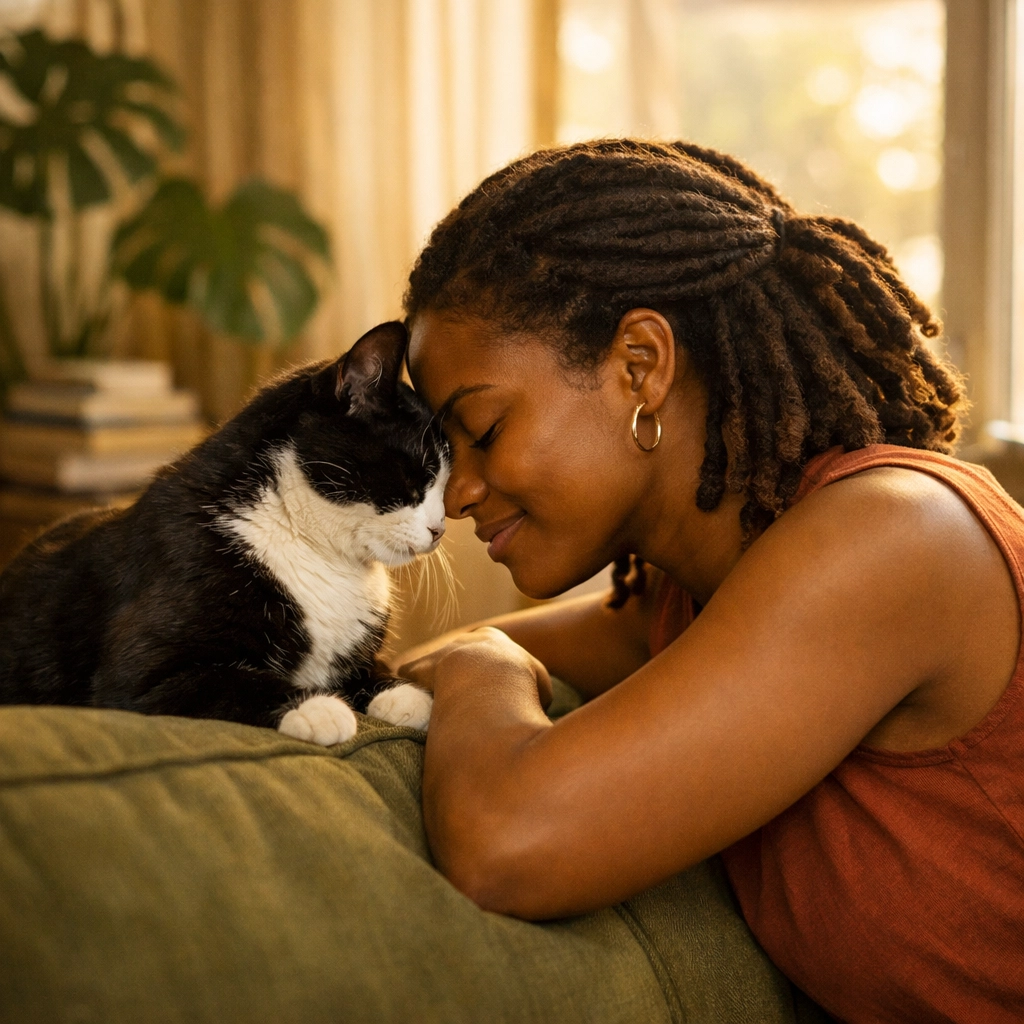
1. The "Boarding is Safer" Fallacy
Many people think that taking their cat to a kennel or a "cat hotel" is the safest move. They assume 24/7 supervision is better than home visits. Honestly, for the vast majority of cats, this is a recipe for a cortisol spike.
The Cornell Feline Health Center notes that feline stress is a major trigger for physical ailments, including feline idiopathic cystitis and upper respiratory infections [4]. When you ship your cat off to a facility, they are surrounded by the smells, sounds, and sights of strange animals.
The Fix: Opt for in-home cat sitting San Francisco and Oakland style. Professional sitters keep your cat in their own kingdom. This maintains their routine and prevents exposure to the "kennel cough" equivalent for cats. Research from the Journal of Veterinary Behavior suggests that maintaining a stable environment is one of the most effective ways to mitigate separation anxiety in domestic cats [8].
2. Hiring an Uninsured "Hobby" Sitter
We get it. The app-based "gig" sitters are cheap. But here’s the thing: most of those "hobbyists" don't carry Care, Custody, or Control (CCC) insurance. If a sitter accidentally leaves a faucet running and floods your hardwood floors, or worse, if your cat swallows a ribbon and needs emergency surgery while you're in Palo Alto, an uninsured sitter may not have the resources or the legal obligation to cover those costs.
Pet Sitters International (PSI) emphasizes that professional insurance protects both the pet and the property owner [2]. A hobbyist is doing this for extra coffee money; a professional is doing this as a career.
The Fix: Always ask for proof of insurance and bonding. At Mission Cats, we don't just "love cats", we operate as a legitimate business entity with full coverage. This isn't just about the cat; it's about protecting your home in the East Bay or Walnut Creek.
3. Relying on "Friend of a Friend" Handshakes
Handshake deals are great for borrowing a lawnmower, but they suck for pet care. Without a formal service agreement, there’s no clear expectation of what a "visit" entails. Does it include mail collection? Cleaning up the "gift" the cat left on the rug? Administering meds?
The National Association of Professional Pet Sitters (NAPPS) recommends a written contract that outlines every detail of care [3]. This prevents the "I thought you were coming twice a day" argument when you're three time zones away.
The Fix: Use a service that requires a formal onboarding process. This should include a detailed profile of your cat, emergency contact info, and a clear list of duties.
4. Ignoring the "Tech" Updates
If your sitter’s only form of communication is a blurry photo sent three days into your trip, you’ve got a problem. Modern cat sitters Oakland professionals use specialized software to provide GPS-verified check-ins and real-time updates.
The Human-Animal Bond Research Institute (HABRI) found that pet owners experience significantly lower stress levels when they receive regular, high-quality updates about their pets [6]. It’s not just about being "extra", it’s about the peace of mind that allows you to actually enjoy your vacation.
The Fix: Look for sitters who use portals where you get a "report card" after every visit, including photos, a checklist of tasks completed (food, water, litter, play), and a personal note.

5. Failing to Document the "Secret Language" of Your Cat
Every cat has a weird quirk. Maybe they only drink from the bathroom sink, or they have a "hidden" spot in the back of the closet that looks like they've escaped. If you don't document these, a sitter might panic, or worse, miss a sign that something is wrong.
The Fix: Provide a written "Cheat Sheet."
- Hiding Spots: List the top 3 places they disappear to.
- Normal Behavior: Do they usually meow at 5 PM? If they don't, is that a sign of illness?
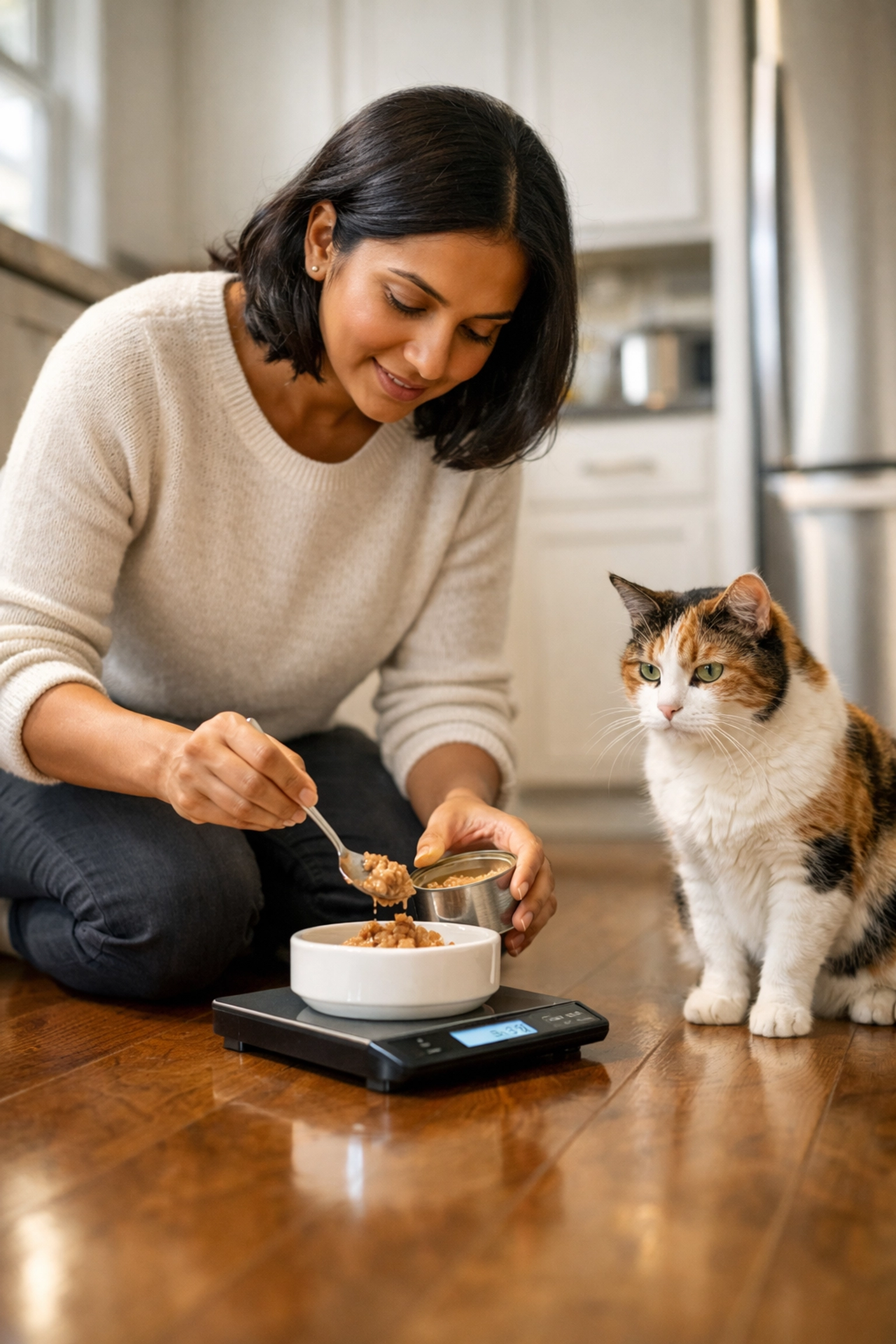
- Feeding Nuances: Do they need their kibble "crunched" or their wet food served on a specific saucer?
6. The Emergency Protocol Gap
What happens if there’s a power outage in Oakland? Or if your cat needs a vet at 2 AM? Many owners forget to leave a "Power of Attorney" for veterinary care.
The American Veterinary Medical Association (AVMA) suggests that owners should always notify their vet that a sitter will be in charge and establish a financial limit for emergency care in their absence [5].
The Fix: Leave a signed "Vet Release Form" on your counter. This authorizes your cat sitter Walnut Creek or Oakland professional to seek care and ensures the vet knows you are responsible for the bill up to a certain amount.
7. The Last-Minute Booking Panic
Oakland is a busy place. If you wait until the week of Thanksgiving to find a sitter, you’re going to end up with whoever is left over, and that’s rarely the best person for the job.
The Fix: Book at least 3-4 weeks in advance for standard weekends and 2-3 months in advance for major holidays. Professional services often have "capacity caps" to ensure every cat gets the attention they deserve.
Comparison: Hobbyist vs. Mission Cats Professional
| Feature | Hobbyist/App Sitter | Mission Cats Professional |
|---|---|---|
| Insurance | Often none or "platform only" | Full CCC & Liability Insurance [2] |
| Training | "I grew up with cats" | Professional feline-only training |
| Accountability | None (can ghost) | GPS-tracked, time-stamped reports |
| Emergency Plan | "I'll call you" | Established vet protocols & backup sitters |
| Specialization | Dogs/Cats/Fish/Plants | Feline-only specialists |
A Case of "The Missing Meds"
A client in Palo Alto once hired a general pet sitter (who primarily walked dogs) to care for their senior cat, Mittens, who required daily insulin. The sitter, while well-intentioned, wasn't comfortable with the "pinch and poke" of a needle and didn't realize that Mittens hadn't eaten enough to safely receive the dose.
Because the sitter didn't have a formal system to track intake versus dosage, Mittens ended up in a hypoglycemic crisis. Fortunately, the owners returned early, but the vet bill was over $2,000. This is the "cost" of hiring for price rather than expertise. A professional cat-only sitter understands feline physiology and the critical link between appetite and medication [10].
The Evolution of Professional Cat Sitting
- 1980s: Professional pet sitting emerges as a niche industry primarily in suburban areas [3].
- 1994: Pet Sitters International (PSI) is founded to set industry standards [2].
- 2000s: Shift toward specialized "cat-only" services begins to gain traction in urban centers like San Francisco.
- 2010s: Introduction of GPS-tracking software and client portals.
- 2020: The pandemic creates a "pet boom," leading to a 30% increase in demand for in-home care [9].
- 2024-2026: AI-driven scheduling and enhanced feline behavioral training become standard for top-tier agencies.
What Smart Critics Argue
Some argue that having a neighbor do it is better because the cat "knows" them. While familiarity is good, a neighbor isn't trained to spot the subtle signs of feline distress. A cat’s "masking" behavior is a survival instinct; they hide pain until it’s often too late [4].
Others say professional sitting is too expensive. However, when you factor in the cost of a potential vet emergency caused by neglect or the cost of replacing a damaged rug from a missed litter box cleaning, the "premium" for a pro is essentially an insurance policy for your peace of mind.
Key Takeaways
- Territory is everything: Cats are generally happier and healthier at home than in boarding facilities [1].
- Check the paperwork: Always verify insurance, bonding, and service contracts before handing over your keys [2].
- Tech matters: Use sitters who provide GPS-verified updates and photos [6].
- Details save lives: Document your cat’s hiding spots and normal health baselines.
- Vet authorization: Always leave a signed release form for your veterinarian [5].
- Oakland is unique: Urban environments require sitters who understand local logistics, from parking to emergency vet locations like Bay Area Veterinary Specialists.
- Feline-only focus: Cats are not small dogs. Hire people who specialize in feline behavior and care.
Actions You Can Take
At Work:
- Check your upcoming travel calendar and set reminders to book your cat sitter Palo Alto or Oakland visits at least a month in advance.
At Home:
- Create a "Cat Care Folder" containing your vet's info, microchip numbers, and a signed medical release form.
- Test your "hiding spot" list, can you find your cat in under 5 minutes? If not, update the list for your sitter.
In the Community:
- Share your positive experiences with professional sitters on local Oakland forums to help neighbors avoid "hobbyist" horror stories.
In Civic Life:
- Support local Oakland animal shelters and advocate for responsible pet ownership programs.
Extra Step:
- Schedule a "Meet and Greet" with a professional service even if you don't have a trip planned yet. Getting into their system now makes last-minute emergency bookings much easier later.
FAQ
Is it okay to leave my cat alone for a weekend with a big bowl of food?
Honestly, no. The AVMA recommends at least one visit every 24 hours [5]. Cats can get stuck in strange places, develop sudden blockages (especially males), or the AC could fail. A lot can happen in 48 hours.
How do I know the sitter actually showed up?
Professional services use GPS-enabled software. You will get a notification when they arrive at your home and another when they leave, along with the visit notes and photos.
What if my cat is aggressive with strangers?
Professional sitters are trained in feline behavior. We use "low-stress" handling techniques and often find that even "spicy" cats eventually warm up, or at least tolerate us, when we respect their boundaries.
Do you handle kittens or senior cats with meds?
Yes. These are the cats that benefit most from professional care. Kittens need socialization and monitoring for "mischief," while seniors need precise medical administration and observation for changes in mobility or appetite [10].
Do you serve all of Oakland?
We cover most of Oakland, including Rockridge, Montclair, Lake Merritt, and Temescal, as well as San Francisco, Walnut Creek, and Palo Alto.
Pull Quotes for Social Sharing
- "Your cat’s territory is their fortress. Don’t make them leave it just because you are."
- "A 'hobby' sitter is fine until something goes wrong. A professional sitter ensures nothing goes wrong in the first place."
- "GPS updates aren't just for delivery pizza; they're for the peace of mind that your cat is safe at home in Oakland."
Mission Cats In-Home Care
Trusted Care for the Cats You Love, Right at Home.
When you travel, your cat deserves more than a quick check-in. Mission Cats In-Home Care provides reliable, loving, professional care in the comfort of your cat’s own home, so you leave with confidence and return to a calm, well-cared-for companion.
Serving San Francisco, Oakland, Walnut Creek, and Palo Alto.
www.missioncats.com
missioncats@missioncats.com
(800) 580-5612 | (415) 376-6082 | (415) 437-2287
Oakland: (510) 315-6446
San Francisco: (415) 528-5471
Palo Alto: (650) 425-3444
Walnut Creek: (925) 376-1300
Professional in-home care for cats whose people want peace of mind, dependable service, and thoughtful attention.
Sources
[1] American Association of Feline Practitioners (AAFP), "Feline Environmental Needs Guidelines," Journal of Feline Medicine and Surgery, 2013, https://catvets.com/guidelines/practice-guidelines/environmental-needs-guidelines, Accessed April 9, 2026.
[2] Pet Sitters International, "The Benefits of Hiring a Professional Pet Sitter," 2025, https://www.petsit.com/why-hire-a-professional-pet-sitter, Accessed April 9, 2026.
[3] National Association of Professional Pet Sitters (NAPPS), "Business Standards and Ethics," 2024, https://petsitters.org/, Accessed April 9, 2026.
[4] Cornell Feline Health Center, "Stress in Cats," Cornell University College of Veterinary Medicine, 2023, https://www.vet.cornell.edu/departments-centers-and-institutes/cornell-feline-health-center/health-information/feline-health-topics/stress-cats, Accessed April 9, 2026.
[5] American Veterinary Medical Association (AVMA), "Selecting a Pet Sitter," 2024, https://www.avma.org/resources-tools/pet-owners/petcare/selecting-pet-sitter, Accessed April 9, 2026.
[6] Human-Animal Bond Research Institute (HABRI), "The Impact of Pet Ownership on Mental Health During Travel," 2024, https://habri.org/research/, Accessed April 9, 2026.
[7] Oakland Animal Services, "Pet Ownership Regulations and Safety," City of Oakland, 2025, https://www.oaklandanimalservices.org/, Accessed April 9, 2026.
[8] Journal of Veterinary Behavior, "Feline Separation Anxiety: Environmental and Behavioral Correlates," 2020, https://www.journalvetbehavior.com/, Accessed April 9, 2026.
[9] U.S. Bureau of Labor Statistics, "Occupational Outlook: Animal Care and Service Workers," September 2025, https://www.bls.gov/ooh/personal-care-and-service/animal-care-and-service-workers.htm, Accessed April 9, 2026.
[10] Merck Veterinary Manual, "Management of Senior Cats and Chronic Disease," Last updated 2025, https://www.merckvetmanual.com/cat-owners/routine-care-and-habilitation-of-cats/management-of-senior-cats, Accessed April 9, 2026.
[11] California Department of Insurance, "Consumer Guide to Pet Insurance and Liability," 2026, https://www.insurance.ca.gov/, Accessed April 9, 2026.
[12] UC Davis School of Veterinary Medicine, "The Importance of Routine for Indoor Cats," 2024, https://vetmed.ucdavis.edu/hospital/small-animal/feline-medicine, Accessed April 9, 2026.
Disclaimer: This content is for general informational and educational purposes only and does not constitute veterinary, medical, legal, or other professional advice. Reading this content does not create a client or professional relationship with Mission Cats In-Home Care. Because every cat and household is different, please consult a licensed veterinarian or other qualified professional for advice specific to your situation. Mission Cats In-Home Care makes no warranties regarding the accuracy or completeness of this information and is not responsible for third-party content, links, products, or services. Testimonials and examples are illustrative only and do not guarantee similar results.