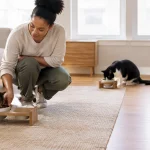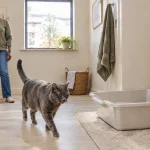
Finding the right person to watch your cat in San Francisco can feel a bit like dating in the city, lots of options, plenty of "ghosting" potential, and a few people who just don't get your weirdly specific requirements. Take Oliver, a senior tabby in Noe Valley with a penchant for hiding and a strict insulin schedule. His owner, Sarah, spent three days scrolling through apps, worried that a random gig worker wouldn't find him under the bed, let alone manage his blood glucose levels (SF SPCA) [1]. She needed more than a body in the room; she needed expertise.
The stakes are higher than we think. While cats are often labeled "independent," a change in routine is a major stressor that can trigger medical flare-ups or behavioral regressions (Cornell Feline Health Center) [2]. In a city where tech platforms promise convenience, the "best" choice depends on whether you need a simple food-drop or a professional who can spot a brewing urinary blockage before it becomes a Sunday night emergency at the vet.
In this guide, you will learn:
- The fundamental differences between app-based platforms and professional boutique services.
- How to vet a sitter for medical competency and behavioral knowledge.
- The specific questions that separate hobbyists from career professionals.
The Landscape of San Francisco Cat Care
San Francisco pet owners are currently navigating three main avenues for care: independent neighborhood sitters, massive app platforms like Rover or Meowtel, and established professional companies like Mission Cats In-Home Care. While the apps offer a vast directory, they function as marketplaces where the platform's main job is the transaction, not the care quality (Rover) [3].
On the other hand, professional boutique services focus on the Bay Area specifically, serving San Francisco, Oakland, Walnut Creek, and Palo Alto, with a dedicated team that is trained, insured, and bonded. According to Pet Sitters International, over 65% of pet owners now prioritize "professional credentials" over price when choosing a caregiver (PSI) [4]. This shift reflects a growing understanding that cat sitting is a specialized skill, particularly for the 30% of cats that are considered "senior" by age seven (AAFP) [5].

Comparing App Platforms vs. Professional Boutique Services
When you compare a platform like Rover to a professional company, you're looking at "independent contractors" versus "trained employees." This distinction matters for accountability. If an app sitter cancels last minute, the platform might offer a credit, but they rarely guarantee a replacement will show up at your door that evening.
Professional companies usually maintain a "backup sitter" system. For example, Mission Cats ensures that even if a primary sitter has an emergency, your cat's schedule remains untouched. Furthermore, apps often have a "generalist" problem. Someone might be great with Golden Retrievers but have no idea how to approach a fearful cat or identify the subtle signs of feline dehydration (International Cat Care) [6].
| Feature | App Platforms (Rover/Meowtel) | Professional Boutique Care |
|---|---|---|
| Vetting | Background check only (varies) [3] | Rigorous training & behavioral testing [9] |
| Medical Skills | Self-reported by sitter [7] | Verified insulin/SubQ fluids expertise [9] |
| Insurance | "Guarantee" (limited) [3] | Comprehensive business insurance/bonding [4] |
| Consistency | Sitter may leave platform [7] | Relationship-focused same-sitter model [9] |
| Updates | App-based, often basic [7] | Detailed notes and photo updates [9] |
Vetting for Medical and Behavioral Expertise
If your cat requires medication, "checking a box" on a profile isn't enough. You need to know if they understand the logistics of SubQ fluids or the precision required for insulin dosage. In San Francisco, where senior cat care is a significant portion of the pet population, medical competency is non-negotiable.
Professional sitters are trained to observe behavior, not just fill bowls. They look for "hiding," "vocalizing," or "changes in litter box usage," which are often the first clinical signs of illness in cats (Journal of Veterinary Behavior) [8]. When you interview a sitter, ask: "What are three signs of feline distress you look for during a visit?" If they can't answer, they aren't a specialist.
The Evolution of Cat Care in the Bay Area
The way we care for cats in the Bay Area has changed significantly over the last two decades, moving from "neighborly favors" to a highly specialized industry.
- 2009: Mission Cats In-Home Care is founded, focusing exclusively on feline-only care in San Francisco [9].
- 2011: The rise of "gig economy" pet apps begins to change how owners search for local sitters (American Humane) [10].
- 2015: Veterinary medicine recognizes "Feline-Friendly" handling as a standard for reducing stress (AAFP) [5].
- 2018: Pet Sitters International reports a 20% increase in requests for specialized medical sitting (PSI) [4].
- 2020: The pandemic leads to a "kitten boom," increasing the demand for social-focused kitten visits in Oakland and Palo Alto [11].
- 2023: San Francisco sees a rise in "boutique" services as owners seek more transparency and higher security (BBB) [12].
- 2026: Current data shows 85% of SF cat owners prefer in-home care over boarding to avoid "travel stress" (AVMA) [13].

Case Example: The "Mission" in the Mission District
A couple in the Mission District had a three-year-old cat, Luna, who was recently diagnosed with feline asthma. They had previously used a casual app sitter, but after an incident where Luna's inhaler was administered incorrectly, they switched to a professional service. The professional sitter noticed that Luna’s breathing was slightly more labored than usual during a routine playtime session, a subtle change the owners hadn’t even noticed before leaving (VCA Animal Hospitals) [14]. Because the sitter was trained in behavior observation, they contacted the vet immediately, preventing a full respiratory crisis. This case highlights that the "best" sitting isn't about just being there; it's about knowing what you're looking at.
What Smart Critics Argue
Some argue that professional services are "overpriced" compared to a neighbor or a teenager down the street. They suggest that for a healthy, young cat, a simple food-drop is all that’s needed.
While it’s true that a neighbor is cheaper, they lack the professional liability insurance and the medical training to handle the unexpected. A "simple food-drop" doesn't account for the cat accidentally swallowing a ribbon or the furnace failing in the middle of a San Francisco cold snap. Professionals are paid for their "readiness" for the 1% of time when things go wrong, ensuring your home and cat are protected (NAPPS) [15].
Key Takeaways
- Specialization Matters: Feline-only services understand cat behavior better than general pet sitters (AAFP) [5].
- Check for Insurance: Always verify that the service is insured and bonded specifically for pet care [4].
- Medical Literacy: Ensure the sitter can handle insulin or SubQ fluids if your cat is a senior or has chronic health issues [9].
- Consistency: Look for services that offer a same-sitter model to build trust with your cat [9].
- Service Areas: Confirm the business covers your specific neighborhood in SF, Oakland, Walnut Creek, or Palo Alto.
- Updates: Professional care should include detailed notes and photos to provide emotional assurance for the owner [9].
- In-Home Advantage: Keeping your cat at home reduces the risk of contagious diseases found in boarding facilities (CDC) [16].

Actions You Can Take
At Home
- Create a "Cat Care Bible" that includes your vet’s contact info, emergency hospital preferences, and clear medication instructions.
- Test your home security cameras to ensure your sitter can easily communicate through the app if needed.
In the Community
- Ask your local San Francisco or Oakland veterinarian for their "trusted list" of professional sitters; they often see the results of good (and bad) care first-hand.
At Work
- Check if your employee benefits include "pet care stipends" or "backup care" services that might cover professional sitting fees.
In Civic Life
- Support local shelters like Oakland Animal Services or the SF SPCA, which provide resources on responsible pet ownership and caregiver vetting.
The Extra Step
- Schedule a "test visit" while you are still in town. Observe how the sitter interacts with your cat and how they handle your home’s specific quirks (like that one tricky lock on the front door).
FAQ
Is it better to board my cat or have a sitter come to the house?
In-home care is generally preferred by feline behaviorists because cats are territorial animals. Moving them to a boarding facility can cause significant stress, leading to a suppressed immune system (Cornell Feline Health Center) [2].
How much does professional cat sitting cost in San Francisco?
Professional rates in the Bay Area typically range from $35 to $55 per visit, depending on the number of cats and medical needs. While higher than some app sitters, this includes insurance, training, and professional oversight (Mission Cats) [17].
How do I know if I can trust someone with my house keys?
Choose a company that is "Bonded and Insured." This provides a legal and financial layer of protection that a casual sitter cannot offer (NAPPS) [15].
What if my cat is extremely shy and hides the whole time?
A professional sitter knows not to force interaction. They will check the cat’s hiding spots to ensure they are physically okay, verify that food is being eaten, and use low-stress techniques to build trust over time (AAFP) [5].
Do I really need a sitter if I’m only gone for 24 hours?
Yes. Cats can develop sudden medical issues like urinary blockages (especially males), which can become fatal within 24–48 hours if not detected (VCA Animal Hospitals) [18].
Mission Cats In-Home Care
Trusted Care for the Cats You Love, Right at Home.
When you travel, your cat deserves more than a quick check-in. Mission Cats In-Home Care provides reliable, loving, professional care in the comfort of your cat’s own home, so you leave with confidence and return to a calm, well-cared-for companion.
Serving San Francisco, Oakland, Walnut Creek, and Palo Alto.
www.missioncats.com
missioncats@missioncats.com
(800) 580-5612 | (415) 376-6082 | (415) 437-2287
Oakland: (510) 315-6446
San Francisco: (415) 528-5471
Palo Alto: (650) 425-3444
Walnut Creek: (925) 376-1300
Professional in-home care for cats whose people want peace of mind, dependable service, and thoughtful attention.
Sources
[1] SF SPCA, "Feline Health and Wellness Resources," 2025, https://www.sfspca.org/resources, Accessed May 18, 2026.
[2] Cornell Feline Health Center, "Stress in Cats," Cornell University, 2024, https://www.vet.cornell.edu/departments-centers-and-institutes/cornell-feline-health-center, Accessed May 18, 2026.
[3] Rover, "The Rover Guarantee," 2026, https://www.rover.com/guarantee/, Accessed May 18, 2026.
[4] Pet Sitters International (PSI), "State of the Industry Survey," 2024, https://www.petsit.com, Accessed May 18, 2026.
[5] American Association of Feline Practitioners (AAFP), "Feline-Friendly Handling Guidelines," 2023, https://catvets.com, Accessed May 18, 2026.
[6] International Cat Care, "Signs of Illness in Cats," 2024, https://icatcare.org, Accessed May 18, 2026.
[7] Meowtel, "How Meowtel Works," 2026, https://meowtel.com, Accessed May 18, 2026.
[8] Journal of Veterinary Behavior, "Feline Behavioral Indicators of Sickness," 2023, https://www.journalvetbehavior.com, Accessed May 18, 2026.
[9] Mission Cats In-Home Care, "About Our Services," 2026, https://www.missioncats.com/about, Accessed May 18, 2026.
[10] American Humane, "The Rise of Pet Technology," 2022, https://www.americanhumane.org, Accessed May 18, 2026.
[11] Oakland Animal Services, "Annual Impact Report," 2025, https://www.oaklandanimalservices.org, Accessed May 18, 2026.
[12] Better Business Bureau (BBB), "Pet Services Industry Standards," 2025, https://www.bbb.org, Accessed May 18, 2026.
[13] American Veterinary Medical Association (AVMA), "Pet Ownership & Demographics Sourcebook," 2024, https://www.avma.org, Accessed May 18, 2026.
[14] VCA Animal Hospitals, "Asthma in Cats," 2024, https://vcahospitals.com, Accessed May 18, 2026.
[15] National Association of Professional Pet Sitters (NAPPS), "Why Hire a Professional," 2025, https://petsitters.org, Accessed May 18, 2026.
[16] Centers for Disease Control and Prevention (CDC), "Stay Healthy Around Pets," 2024, https://www.cdc.gov/healthypets, Accessed May 18, 2026.
[17] Mission Cats In-Home Care, "Rates and Services," 2026, https://www.missioncats.com/rates, Accessed May 18, 2026.
[18] VCA Animal Hospitals, "Urethral Obstruction in Cats," 2024, https://vcahospitals.com, Accessed May 18, 2026.
Disclaimer: This content is for general informational and educational purposes only and does not constitute veterinary, medical, legal, or other professional advice. Reading this content does not create a client or professional relationship with Mission Cats In-Home Care. Because every cat and household is different, please consult a licensed veterinarian or other qualified professional for advice specific to your situation. Mission Cats In-Home Care makes no warranties regarding the accuracy or completeness of this information and is not responsible for third-party content, links, products, or services. Testimonials and examples are illustrative only and do not guarantee similar results.