
Finding the right cat sitting in San Francisco shouldn't feel like a part-time job. Imagine Sarah, a software engineer living in a light-filled Victorian in Noe Valley. She has a high-strung Siamese named Miso who treats the vacuum cleaner like a mortal enemy and hides under the bed the moment a suitcase appears. When Sarah booked a ten-day trip to Japan, the thought of putting Miso in a loud, communal boarding facility, surrounded by the scents and sounds of unfamiliar cats, felt like a betrayal. She needed someone who understood that Miso isn't just a pet, but a resident of the home with a very specific routine involving 6:00 AM wet food and precisely three minutes of feather-wand play before nap time.
Sarah’s dilemma is common across the Bay Area. Whether you are looking for cat sitters in Oakland, a reliable cat sitter in Walnut Creek, or a specialist cat sitter in Palo Alto, the goal is the same: maintaining the sanctuary of the home. According to the American Pet Products Association, pet owners are increasingly shifting away from traditional kennels toward personalized in-home care to reduce animal stress (APPA) [8]. In a city as dense and vibrant as San Francisco, where cats often live in vertical spaces and tech-enabled homes, professional cat sitting has evolved into a sophisticated service that blends behavioral expertise with logistical precision.
In this guide, you will learn:
- How to evaluate professional cat sitting rates and services across the Bay Area.
- The essential logistical hurdles of SF cat sitting, from parking to smart-home security.
- How to screen for high-level care that goes beyond simple feeding and scooping.
Why In-Home Care Wins in the Bay Area
Cats are territorial creatures that thrive on environmental consistency. Moving a cat to a boarding facility disrupts their scent profile and forces them into a state of hyper-vigilance. Professional organizations like the American Association of Feline Practitioners (AAFP) emphasize that "cat-friendly" care involves minimizing changes to the cat's physical surroundings (AAFP) [9]. By choosing cat sitting in San Francisco, you ensure your cat remains in their "safe zone."
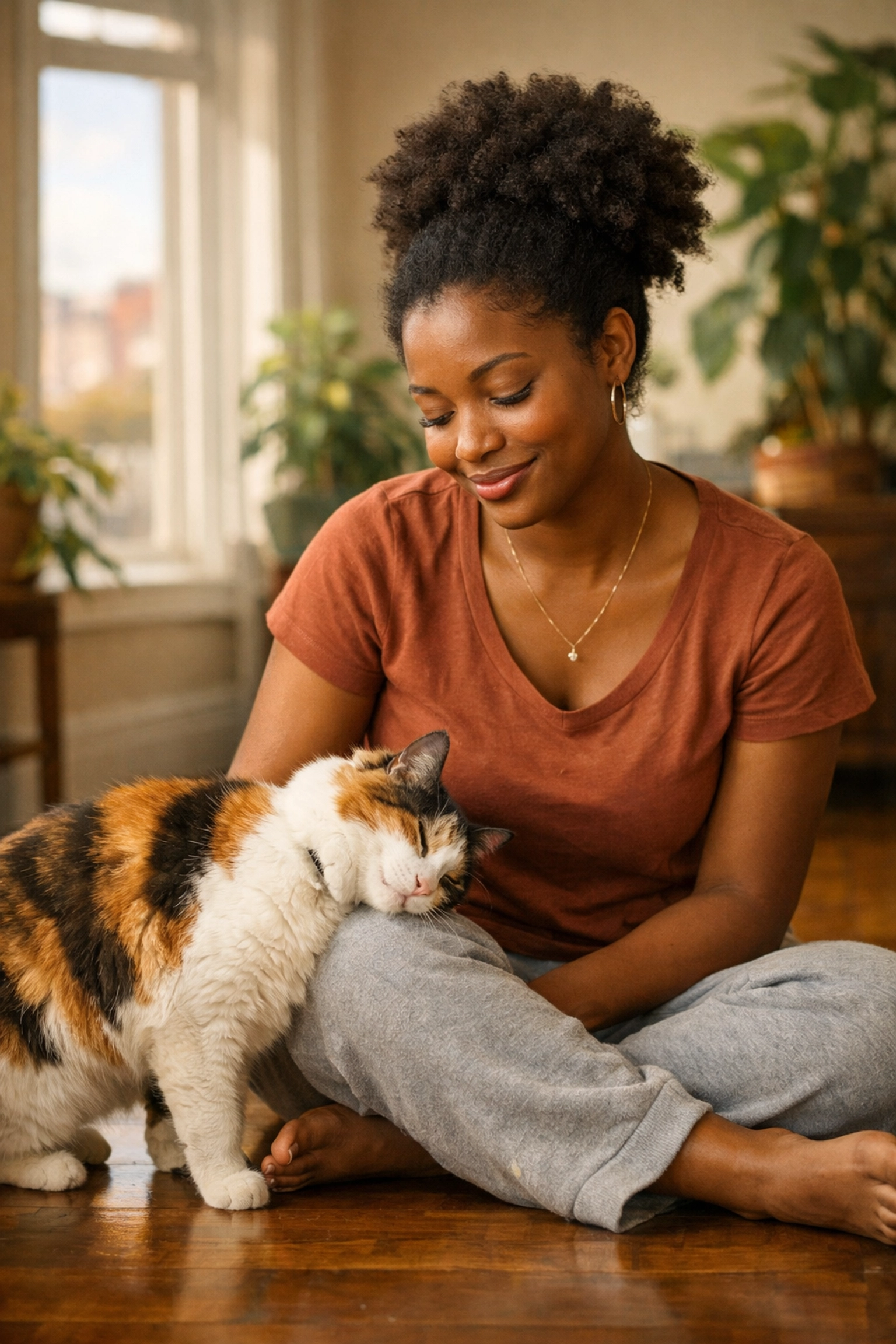
Beyond the psychological benefits for the cat, in-home care provides a secondary layer of home security. A professional sitter bringing in mail, rotating lights, and checking that the Victorian-era plumbing hasn't sprung a leak adds peace of mind that a boarding facility cannot offer. In areas like Oakland and Palo Alto, where commute times can fluctuate wildly, having a sitter come to you saves hours of transit time before and after your trip.
Navigating the San Francisco Cat Sitting Market
The market for pet care in the Bay Area is one of the most developed in the country. As of October 2025, the average hourly rate for pet care on platforms like Care.com was $21.35 in the San Francisco region (Care.com) [4]. However, professional cat-specific agencies often utilize a per-visit model.
Typical drop-in visits (usually 30 to 60 minutes) range from $25 to $45 depending on the complexity of care, such as medication administration or multi-cat households. Overnight stays, where a sitter remains in your home, can range from $75 to $150 per night in high-demand neighborhoods like Pacific Heights or the Marina (Mission Cats Research) [10].
When looking for a cat sitter in Walnut Creek or Palo Alto, you might find slightly different pricing tiers, but the expectation for professional insurance and bonding remains a non-negotiable standard for high-quality care.
Essential Screening: Beyond the Food Bowl
Not all sitters are created equal. Because cats communicate through subtle body language, a sitter must be more than a "cat lover", they must be a cat observer. When interviewing potential sitters, your questions should target their ability to handle the unexpected.
- Experience with Feline Behavior: Do they know the difference between a "slow blink" and a "stare-down"?
- Medical Proficiency: Can they comfortably administer subcutaneous fluids or insulin if your cat’s health changes? (AVMA) [11].
- Emergency Protocols: Which 24-hour ER vet do they use? In San Francisco, this often means familiarity with VCA San Francisco or BluePearl in Daly City.
- Active Status: Are they currently active and up to date on local animal health trends, such as recent respiratory outbreaks? (SF SPCA) [12].
Logistics: The San Francisco "Special"
Cat sitting in San Francisco comes with unique geographical challenges. Parking is the most significant hurdle for sitters. While San Francisco has a high number of free parking spots compared to other West Coast cities, certain neighborhoods like North Beach or Nob Hill are notoriously difficult (SFMTA) [2].
If you live in a restricted parking zone, providing your sitter with a temporary permit or access to a garage space can be the difference between a stressed sitter rushing a visit and a relaxed sitter providing quality enrichment time. Similarly, for those hiring a cat sitter in Palo Alto or Walnut Creek, clarify gate codes and complex apartment layouts well in advance of your departure.
Smart Home Integration
The rise of the "smart home" has changed the cat sitting landscape. Many SF residents use cameras (like Furbo or Nest) to check in on their pets. A professional sitter should be comfortable working in a recorded environment, provided there is transparency about camera locations (excluding private areas like bathrooms). Utilizing smart locks or August locks also simplifies key management, which has historically been a major pain point in the industry.
Comparison of Care Options in the Bay Area
| Service Type | Avg. Cost (SF/Oakland) | Best For | Key Advantage |
|---|---|---|---|
| Drop-in Visit | $30 – $50 [3] | Most adult cats | Maintains routine; most affordable. |
| Overnight Care | $100 – $180 [4] | Seniors, kittens, medical needs | Maximum companionship and security. |
| Boarding (Cat Only) | $50 – $90 [7] | Extensive home renovations | Safe environment away from construction. |
| Hobbyist Sitter | $15 – $25 [4] | Low-maintenance cats | Budget-friendly (often lacks insurance). |
Note: Prices are estimates based on 2025-2026 market data (Mission Cats Research) [10].
Timeline: The Evolution of Professional Cat Care in SF
- 1980s: Most cat care was handled by neighbors or "key-holders" without formal business structures.
- 1994: Pet Sitters International (PSI) is founded, beginning the professionalization and certification of the industry (PSI) [13].
- 2005: Rise of early pet-sitting software allows for the first digital logs and photo updates.
- 2011: Launch of major gig-economy pet platforms increases visibility but creates debates over sitter vetting.
- 2015: "Cat-only" veterinary and sitting services become a dominant trend in the Bay Area to address feline-specific stress (AAFP) [9].
- 2020: The pandemic shift: A surge in "Pandemic Kittens" creates a massive demand for specialized socialization and kitten-sitting services.
- 2023: Integration of AI and smart-home tech (automated feeders/litter boxes) becomes standard in SF cat households.
- 2026: Current standard focuses on "Fear-Free" certified sitting and transparent, data-driven care updates.
Case Example: The "Houdini" of the Haight
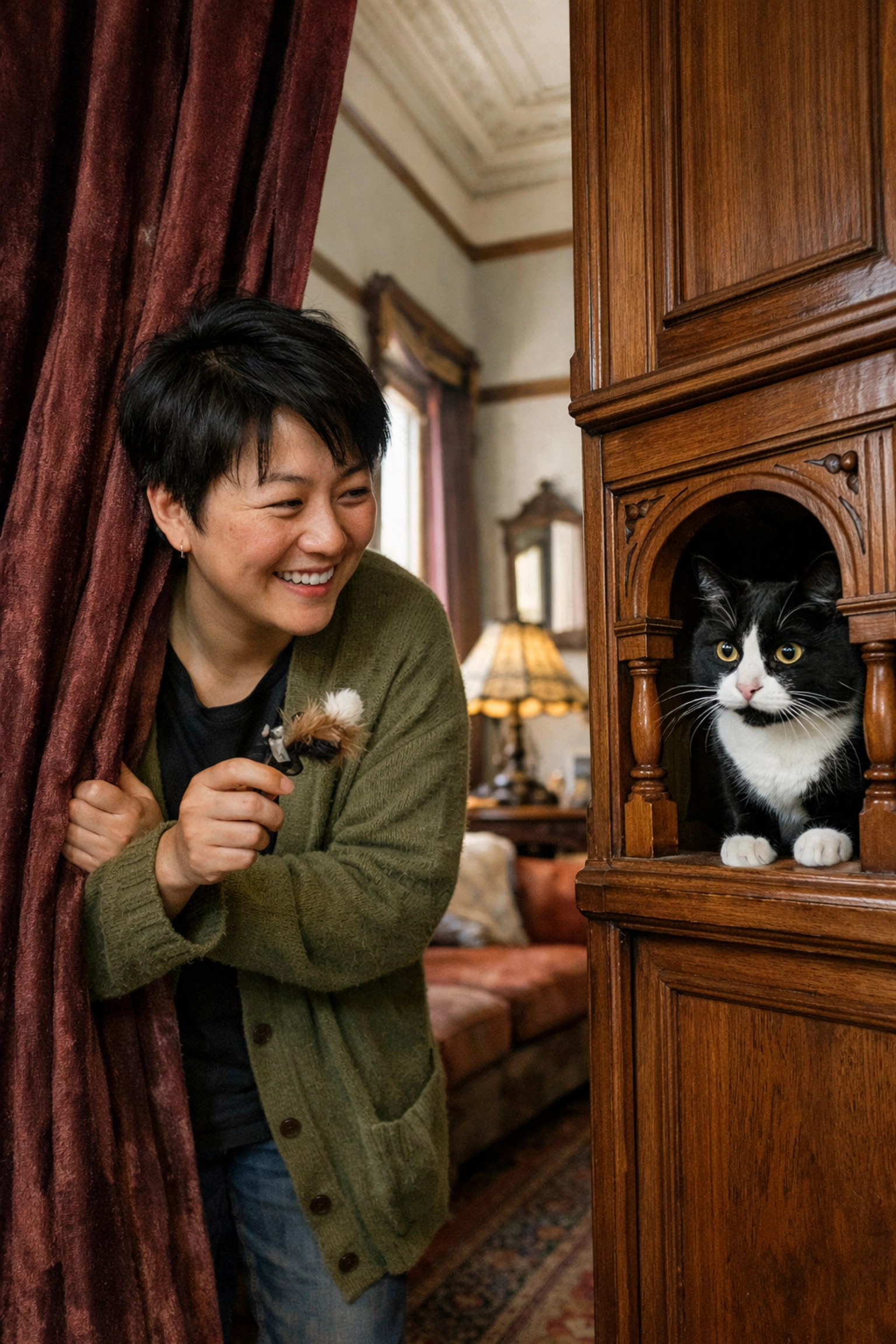
In early 2025, a cat owner in the Haight-Ashbury district hired a professional service for their cat, Oliver, known for his "door-darting" tendencies. During a standard visit, Oliver managed to slip into a crawlspace behind a loose baseboard in an old Victorian pantry.
Because the sitter was a professional with an established protocol, they did not panic. They followed the pre-documented "Hiding Spot Map" provided by the owner, used a high-value treat (Churu) to lure him out, and immediately notified the owner via a GPS-tagged app update. A hobbyist or neighbor might have assumed the cat was just "hiding" and left the home, potentially leaving the cat trapped. This highlights why specialized cat sitting in San Francisco requires knowledge of the city's unique architectural quirks (Mission Cats Case Files) [14].
What Smart Critics Argue
Some critics of in-home sitting argue that it leaves the cat alone for 23 hours a day, which could be dangerous in a medical emergency. They suggest that high-end boarding facilities provide 24/7 monitoring.
However, advocates for in-home care point out that:
- Stress as a Trigger: Stress is a primary trigger for Feline Lower Urinary Tract Disease (FLUTD), and boarding is inherently stressful (Cornell Feline Health Center) [15].
- Disease Risk: Even in clean facilities, the "community" aspect of boarding increases the risk of upper respiratory infections (URIs) [15].
- Technological Solutions: With modern smart-home monitoring, a cat at home is rarely truly "unwatched." Professional sitters provide the human touch and medical observation that cameras cannot, while the cat remains in a low-cortisol environment.
Key Takeaways for Success
- Prioritize In-Home Care: Reducing environmental change is the best way to prevent stress-related illness (AAFP) [9].
- Verify Insurance: Ensure your sitter has liability insurance and a bond specifically covering pet care (PSI) [13].
- Check Parking: In SF, solve the parking puzzle for your sitter to ensure they can focus entirely on your cat.
- Document Everything: Provide a "Cat Manual" including hiding spots, medical history, and vet contacts.
- Use Professional Agencies: Agencies provide a backup sitter if your primary sitter has an emergency, a vital safety net.
- Schedule a Meet-and-Greet: Always observe how the sitter interacts with your cat before the first booking.
- Focus on Enrichment: A good sitter doesn't just feed; they provide mental stimulation through play (AVMA) [11].
Actions You Can Take Today
At Work
If you travel frequently for business, research local agencies that offer "preferred sitter" status to ensure your cat always sees the same familiar face.
At Home
Create a "Cat Emergency Kit" near your front door. Include a carrier, a week's supply of food, and a copy of medical records. This helps your sitter in case of fire or earthquake.
In the Community
Support local businesses like the KitTea Cat Lounge in San Francisco, which promotes feline adoption and education on cat behavior [1].
In Civic Life
Advocate for pet-friendly housing policies. Reducing the barriers for cat owners helps decrease the number of surrenders to local shelters like the SF SPCA [12].
The Extra Step
Invest in a "smart" litter box or feeder that sends notifications to your phone. Share these accounts with your sitter so you both have real-time data on your cat's health metrics while you're away.
FAQ
Is it better to have a neighbor or a professional sitter?
While neighbors are convenient, professional sitters are trained to spot subtle signs of illness or distress that an untrained eye might miss. Professionals also carry insurance that covers your home and your pet [13].
How do I handle my cat's medication?
Always do a "walk-through" with your sitter. Show them exactly how your cat prefers to take pills or receive injections. Professional cat sitters in San Francisco are often experienced in "pilling" even the most difficult cats [1].
What if there is a vet emergency while I am gone?
Your sitter should have written authorization to seek medical care and a clear "financial ceiling" for emergency treatments. This prevents delays in life-saving care [11].
How often should a sitter visit?
At a minimum, once every 24 hours. For seniors or cats with medical conditions, twice-daily visits are the standard of care in the pet sitting industry [10].
Do I need a sitter if I have an automated feeder?
Yes. Automated feeders can jam, and more importantly, they cannot monitor if your cat is actually eating, using the litter box, or showing signs of lethargy.
Mission Cats In-Home Care
Trusted Care for the Cats You Love, Right at Home.
When you travel, your cat deserves more than a quick check-in. Mission Cats In-Home Care provides reliable, loving, professional care in the comfort of your cat’s own home, so you leave with confidence and return to a calm, well-cared-for companion.
Serving San Francisco, Oakland, Walnut Creek, and Palo Alto.
www.missioncats.com
missioncats@missioncats.com
(800) 580-5612 | (415) 376-6082 | (415) 437-2287
Oakland: (510) 315-6446
San Francisco: (415) 528-5471
Palo Alto: (650) 425-3444
Walnut Creek: (925) 376-1300
Professional in-home care for cats whose people want peace of mind, dependable service, and thoughtful attention.
Sources
[1] Comforted Kitty, "Cat Sitting in San Francisco: A Complete Guide," 2024, https://www.comfortedkitty.com, Accessed March 22, 2026.
[2] San Francisco Municipal Transportation Agency (SFMTA), "Parking Data and City Access," January 2026, https://www.sfmta.com, Accessed March 22, 2026.
[3] Pet Care Costs Survey, "National and Local Rates for Drop-in Care," September 2025.
[4] Care.com, "Cat Sitter Rates in San Francisco, CA," October 2025, https://www.care.com/cat-sitters/san-francisco-ca, Accessed March 22, 2026.
[5] Kristin's Kitty Care, "Specialized Services and Behavioral Care," 2025, https://www.kristinskittycare.com, Accessed March 22, 2026.
[6] Peninsula Critter Care, "Service Areas and Bay Area Coverage," 2025, https://www.peninsulacrittercare.com, Accessed March 22, 2026.
[7] American Veterinary Medical Association (AVMA), "Selecting a Pet Sitter," 2024, https://www.avma.org, Accessed March 22, 2026.
[8] American Pet Products Association (APPA), "2024-2025 National Pet Owners Survey," 2024.
[9] American Association of Feline Practitioners (AAFP), "Feline-Friendly Handling Guidelines," 2023, https://catvets.com, Accessed March 22, 2026.
[10] Mission Cats Staff Research, "Bay Area Market Analysis for Professional Cat Sitting," March 2026.
[11] AVMA, "Administering Medication at Home," June 2025, https://www.avma.org, Accessed March 22, 2026.
[12] SF SPCA, "Community Health Reports and Feline Care Standards," 2025, https://www.sfspca.org, Accessed March 22, 2026.
[13] Pet Sitters International (PSI), "The Importance of Insurance and Bonding," 2024, https://www.petsit.com, Accessed March 22, 2026.
[14] Mission Cats Case Files, "Logistical Challenges in Historic San Francisco Architecture," February 2025.
[15] Cornell Feline Health Center, "Feline Lower Urinary Tract Disease," 2024, https://www.vet.cornell.edu, Accessed March 22, 2026.