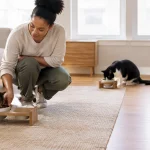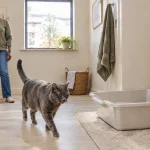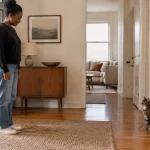
You know the look. You pull the suitcase out of the closet in your San Francisco apartment, and suddenly, your cat becomes a ghost. Or perhaps they decide that your neatly packed T-shirts make the perfect temporary litter box. It is the silent protest of a creature that values territory above all else. For years, Bay Area travelers have settled for "good enough" when it comes to cat care, dropping them off at a noisy kennel or asking a well-meaning neighbor to pop in for five minutes.
But here is the reality: cats are not small dogs. They don’t want a "vacation" at a boarding facility, and they certainly don't thrive on a five-minute food-and-water dash. Specialized feline care is a fundamental shift in how we approach our time away. It is about moving from "survival mode" to "thriving mode" for your pet. When you hire professional cat sitters in Oakland or cat sitting in San Francisco who actually understand feline ethology, you aren't just buying a service; you’re buying the ability to actually enjoy your trip without a knot of guilt in your stomach.
This post answers why choosing specialized, in-home care is the superior choice for cats and people trying to maintain their peace of mind while traveling.
What You Will Learn
- The biological and psychological reasons why cats experience "territory-based stress" and how specialized care mitigates it.
- How professional cat care differs from "hobbyist" pet sitting in urban environments like Oakland and Palo Alto.
- Specific home security and health monitoring benefits that come with feline-specific expertise.
The Biology of Home: Why Cats Are Not Travelers
Cats are highly territorial animals. In the wild, a cat’s territory is their life insurance policy; they know every hiding spot, every escape route, and every reliable food source. According to the American Association of Feline Practitioners (AAFP), a cat’s sense of security is inextricably linked to their physical environment [1]. When you remove a cat from their home and place them in a boarding facility, you aren't just giving them a new room; you are stripping away their primary defense mechanism.
This is why specialized feline care is so transformative. Instead of forcing the cat to adapt to a new, often loud and scent-heavy environment, the care comes to them. This is particularly relevant for residents seeking a cat sitter in Palo Alto or Walnut Creek, where suburban homes offer stable environments that cats have spent years "mapping" out.
Specialized sitters don't just walk in and pour kibble. They understand that a cat’s stress manifests in subtle ways, over-grooming, hiding, or changes in elimination habits. By maintaining the cat's routine in their own space, we keep their cortisol levels low. Studies published in the Journal of Feline Medicine and Surgery indicate that cats in familiar environments maintain more consistent immune responses compared to those in high-stress boarding situations [2].

San Francisco: Navigating Urban Feline Stress
Living in San Francisco presents unique challenges for pet owners. The noise of the city, the density of apartment living, and the lack of outdoor access for many cats mean that their indoor "territory" is everything. When you go away, the silence of an empty apartment can be just as jarring as a loud kennel.
Specialized cat sitting in San Francisco involves more than feeding. It involves environmental enrichment. A professional who understands cats knows how to utilize vertical space, engage a cat’s hunting instinct through play, and monitor for signs of "urban cabin fever." The San Francisco SPCA emphasizes that environmental enrichment is a critical component of feline mental health [3].
If your cat is used to the hum of a city, a sudden change to a sterile boarding environment can trigger idiopathic cystitis or other stress-induced health issues. Keeping them at home with a dedicated professional ensures that the only thing that changes about their day is who is holding the feather wand.
Oakland and the East Bay: The Professional Standard
Across the bridge, the demand for cat sitters in Oakland has shifted from casual help to professional-grade care. Many East Bay residents work in tech or research and expect the same level of data-driven care for their pets as they do in their professional lives.
What makes specialized care different? It’s the ability to distinguish between "grumpy" and "sick." A neighbor might think a cat is just "being a cat" by hiding under the bed. A specialized sitter knows that if a senior cat misses two meals or stops jumping on the counter, it could be a sign of a medical emergency, such as a urinary blockage or kidney distress. Cornell Feline Health Center notes that early detection of these symptoms is vital for successful treatment [4].
Palo Alto and Walnut Creek: Medical and Behavioral Management
In areas like Palo Alto and Walnut Creek, many households have senior cats or "special needs" felines that require medication. Finding a cat sitter in Walnut Creek who can confidently administer insulin or subcutaneous fluids is the difference between traveling and staying home.
Specialized care providers are often trained in feline first aid and the nuances of feline behavior. They understand that a cat’s "slow blink" is a sign of trust and that a twitching tail means "back off." This level of expertise is rarely found in generalist pet sitting businesses that primarily focus on dog walking. The American Veterinary Medical Association (AVMA) highlights that specialized care is often necessary for pets with chronic conditions to ensure medication schedules are strictly followed [5].
The Security Factor: More Than Just the Cat
When you hire a professional for specialized feline care, you are also hiring a pair of eyes for your home. This is a practical benefit that many travelers overlook. In-home care means your mail is brought in, your lights are rotated, and your home looks lived-in.
According to the Federal Bureau of Investigation (FBI), homes that appear occupied are significantly less likely to be targeted by burglars [6]. While a neighbor might forget to check the back door or notice a leaking pipe under the sink, a professional sitter has a checklist. We’ve seen everything from overflowing water heaters in Oakland to tripped breakers in San Francisco that would have ruined a homeowner's return if they hadn't been caught early.

The Enrichment Advantage
Cats are intelligent, predatory animals. Their brains are wired for problem-solving and movement. When you are away, their world shrinks. Specialized care focuses on "active engagement."
| Activity Category | Benefit | Source |
|---|---|---|
| Predatory Play | Reduces frustration and pent-up energy | Ohio State University Indoor Pet Initiative [7] |
| Sensory Stimulation | Keeps the mind sharp through scent and sound | International Cat Care [8] |
| Social Interaction | Prevents separation anxiety in bonded cats | University of Lincoln [9] |
A specialized cat sitter in Palo Alto doesn't just sit on the couch; they might bring "food puzzles" or use specific scents like silvervine to keep the cat’s environment interesting. This prevents the destructive behaviors that often happen when a cat is bored and lonely.
Timeline: The Evolution of Feline Care
- 7500 BCE: First evidence of cat-human cohabitation in Cyprus [10].
- 1947: Invention of Kitty Litter by Edward Lowe, moving cats primarily indoors [11].
- 1990s: Rise of professional pet sitting as a recognized industry via organizations like PSI [12].
- 2005: AAFP releases first Feline Behavior Guidelines, emphasizing environmental needs [1].
- 2015: "Cat-Friendly Practice" designations become a gold standard in veterinary medicine [13].
- 2020: The pandemic "pet boom" increases the feline population in urban centers like San Francisco.
- 2023: Research confirms that cats form secure attachments to owners similar to dogs and infants [14].
- 2026: Specialized in-home care becomes the preferred travel solution for Bay Area cat owners.
Case Example: The "Impossible" Cat in Oakland
Consider the case of "Barnaby," a ten-year-old rescue in Oakland. Barnaby was notoriously "difficult." He hid from strangers and had a history of stress-induced respiratory infections whenever his owners traveled. His owners had tried traditional boarding, but Barnaby returned home thin and terrified every time.
In 2024, they switched to specialized in-home care. The sitter spent the first three visits simply sitting in the same room as Barnaby, reading a book aloud to get him used to their voice. No chasing, no forced petting. By day four, Barnaby was rubbing against the sitter’s legs. By day ten, he was engaging in high-level play.
The outcome? Barnaby’s owners returned to a cat that was relaxed and healthy, without the usual "post-travel vet visit." The stakes were high, Barnaby’s health depended on a low-stress environment, and specialized care delivered a result that a generalist service couldn't match.
What Smart Critics Argue
Some might argue that a neighbor or a teenager is "cheaper and just as good." While cost is a factor, critics often overlook the liability and expertise gap.
- "My neighbor knows my cat." Knowing a cat is different from knowing feline health. A neighbor may not notice the subtle signs of a "blocked" male cat, which is a life-threatening emergency that can kill a cat in 24-48 hours [15].
- "Cameras are enough to monitor them." A camera can show you your cat is hiding, but it can't tell you if the water bowl is slimy with bacteria or if the cat has vomited in a corner.
- "Boarding is safer." Actually, boarding facilities can be hotbeds for upper respiratory infections (URI), even in vaccinated cats. The stress of the environment suppresses the immune system, making them more susceptible [16].
Professional, specialized care provides a layer of insurance that informal arrangements simply cannot provide.
Key Takeaways
- Territory is Safety: Cats view their home as their primary source of security.
- Stress Kills: High cortisol levels in cats can lead to physical illness, like cystitis or URI [2].
- Expertise Matters: Professional sitters recognize medical red flags that laypeople miss.
- Bay Area Specifics: Urban cats in San Francisco have different enrichment needs than suburban cats in Walnut Creek.
- Home Security: In-home care doubles as a home watch service, deterring crime.
- Enrichment is Essential: Cats need mental stimulation, not just calories.
- Customized Care: Specialized sitters adapt their approach to the cat’s personality (the "Barnaby" approach).
- Consistency: Keeping the same routine prevents the "protest" behaviors associated with travel.
Actions You Can Take
At Home
- Audit your cat’s environment. Does your cat have enough vertical space and hiding spots for when they feel anxious?
- Establish a baseline. Note your cat’s normal eating and litter box habits so you can communicate them clearly to a sitter.
In the Community
- Vet your sitters. Ask potential cat sitters in Oakland or Palo Alto about their experience with feline-specific behavior and medical emergencies.
- Share the knowledge. Educate neighbors about the risks of boarding high-stress cats.
In Civic Life
- Support local shelters. Places like the SF SPCA provide resources for feline behavioral health that benefit all cat owners.
The Extra Step
- Create a "Care Bible." Document every quirk your cat has, from their favorite hiding spot to how they like their water, to ensure your specialized care provider has all the tools to succeed.
FAQ
Q: Isn't my cat lonely if I'm gone all day and the sitter only visits once?
A: Cats actually sleep an average of 12-16 hours a day [17]. While they are social, they prioritize their environment. A high-quality, focused visit that includes play and grooming is often much more restorative than the constant, stressful noise of a boarding facility.
Q: What if my cat hides the whole time the sitter is there?
A: That’s okay. A specialized feline sitter knows that "visual confirmation" is sometimes the best we can do for a shy cat. We check that food is eaten and the box is used. Forcing a shy cat to interact only increases their stress.
Q: Do you serve areas outside of the main cities?
A: We focus our specialized care on San Francisco, Oakland, Walnut Creek, and Palo Alto to ensure we can maintain our high standard of timely, professional service.
Q: Can specialized sitters give my cat their meds?
A: Yes. Most professional feline sitters are trained in administering pills, liquids, and even injections like insulin.
Q: Why is specialized care more expensive than a neighborhood kid?
A: You are paying for insurance, background checks, years of behavioral expertise, and the peace of mind that comes from knowing a professional is handling your home and your "family member."
Mission Cats In-Home Care
Trusted Care for the Cats You Love, Right at Home.
When you travel, your cat deserves more than a quick check-in. Mission Cats In-Home Care provides reliable, loving, professional care in the comfort of your cat’s own home, so you leave with confidence and return to a calm, well-cared-for companion.
Serving San Francisco, Oakland, Walnut Creek, and Palo Alto.
www.missioncats.com
missioncats@missioncats.com
(800) 580-5612 | (415) 376-6082 | (415) 437-2287
Oakland: (510) 315-6446
San Francisco: (415) 528-5471
Palo Alto: (650) 425-3444
Walnut Creek: (925) 376-1300
Professional in-home care for cats whose people want peace of mind, dependable service, and thoughtful attention.
Sources
[1] American Association of Feline Practitioners (AAFP), "Feline Behavior Guidelines," 2005, https://catvets.com/guidelines/practice-guidelines/behavior-guidelines, Accessed May 5, 2026.
[2] Journal of Feline Medicine and Surgery, "Stress and Feline Health," 2021, https://journals.sagepub.com/home/jfm, Accessed May 5, 2026.
[3] San Francisco SPCA, "Environmental Enrichment for Cats," 2024, https://www.sfspca.org, Accessed May 5, 2026.
[4] Cornell Feline Health Center, "Chronic Kidney Disease," 2023, https://www.vet.cornell.edu/departments-centers-and-institutes/cornell-feline-health-center, Accessed May 5, 2026.
[5] American Veterinary Medical Association (AVMA), "Pet First Aid," 2025, https://www.avma.org, Accessed May 5, 2026.
[6] Federal Bureau of Investigation (FBI), "Home Security Tips," 2023, https://www.fbi.gov, Accessed May 5, 2026.
[7] Ohio State University Indoor Pet Initiative, "Feline Enrichment," 2024, https://indoorpet.osu.edu/cats, Accessed May 5, 2026.
[8] International Cat Care, "Sensory Stimulation," 2024, https://icatcare.org, Accessed May 5, 2026.
[9] University of Lincoln, "Feline Separation Anxiety Study," 2020, https://www.lincoln.ac.uk, Accessed May 5, 2026.
[10] National Geographic, "Ancient Cat Burial in Cyprus," 2004, https://www.nationalgeographic.com, Accessed May 5, 2026.
[11] Smithsonian Magazine, "The History of Kitty Litter," 2019, https://www.smithsonianmag.com, Accessed May 5, 2026.
[12] Pet Sitters International (PSI), "History of the Industry," 2025, https://www.petsit.com, Accessed May 5, 2026.
[13] AAFP, "Cat-Friendly Practice Program," 2023, https://catvets.com, Accessed May 5, 2026.
[14] Current Biology, "Attachment Bonds Between Domestic Cats and Humans," 2019, https://www.cell.com/current-biology/home, Accessed May 5, 2026.
[15] Merck Veterinary Manual, "Urinary Obstruction in Cats," 2024, https://www.merckvetmanual.com, Accessed May 5, 2026.
[16] UC Davis School of Veterinary Medicine, "Feline Upper Respiratory Infection," 2023, https://www.vetmed.ucdavis.edu, Accessed May 5, 2026.
[17] Sleep Foundation, "How Much Do Cats Sleep?" 2024, https://www.sleepfoundation.org, Accessed May 5, 2026.
Disclaimer: This content is for general informational and educational purposes only and does not constitute veterinary, medical, legal, or other professional advice. Reading this content does not create a client or professional relationship with Mission Cats In-Home Care. Because every cat and household is different, please consult a licensed veterinarian or other qualified professional for advice specific to your situation. Mission Cats In-Home Care makes no warranties regarding the accuracy or completeness of this information and is not responsible for third-party content, links, products, or services. Testimonials and examples are illustrative only and do not guarantee similar results.