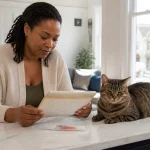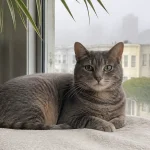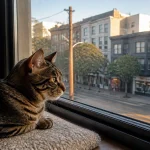
For Atherton cat owners, early fall can bring several changes at once: warm afternoons after a heat wave, cooler mornings, more activity around mature oak trees, and household schedule shifts as school and work routines resume. Cats often notice these changes before we do. A few practical adjustments can help your cat stay comfortable, safe, and settled from Wednesday, September 9 through Tuesday, September 15.
Keep indoor routines steady as schedules change
Back-to-school season can change when people leave, return, prepare meals, and settle down for the evening. Even cats who seem independent may be affected by longer quiet periods, earlier mornings, or different feeding times.
Try to keep the basics consistent:
- Feed meals at approximately the same times each day.
- Keep morning and evening litter checks predictable.
- Schedule a short play or enrichment session before the household becomes busy.
- Give your cat a quiet retreat where school bags, visitors, and household traffic will not interrupt rest.
- Avoid making several major changes at once, such as moving furniture, changing food, and relocating the litter box.
A cat may respond to routine disruption by hiding, vocalizing, overgrooming, eating less, or eliminating outside the litter box. These behaviors should not automatically be dismissed as stubbornness. Cornell Feline Health Center offers helpful information about house soiling and cats that lick too much, including why behavior changes can warrant veterinary attention.
If your cat will be alone for longer stretches this fall, consider whether a midday visit would help. A professional cat sitter can provide food, fresh water, litter care, observation, and calm companionship without taking your cat away from familiar surroundings.

Prepare for warm afternoons and cooler mornings
The Peninsula can move quickly from a warm afternoon to a noticeably cooler evening. During a late-season heat wave, a sunny room, enclosed porch, attic, or garage can become uncomfortable. On a cool morning, the same cat may seek a warm, draft-free place to rest.
Give your cat access to several comfortable temperature zones. Keep fresh water available in more than one location, especially if your cat spends time in different areas of the home. Some cats drink more readily from a fountain, while others prefer a wide ceramic or stainless-steel bowl.
During warmer periods:
- Close blinds or shades before the sun heats a room.
- Keep your cat indoors in the coolest safe area of the home.
- Never leave a cat in a vehicle, shed, or poorly ventilated outbuilding.
- Watch for unusual panting, drooling, weakness, vomiting, or collapse, and seek urgent veterinary advice if these signs occur.
As mornings cool, offer a washable bed or folded blanket away from drafts. This is especially important for older cats and cats with arthritis or other mobility concerns. Senior cats may not advertise discomfort clearly, so watch for stiffness, reluctance to jump, changes in grooming, or spending more time withdrawn.
For families looking for senior cat care in San Francisco and the wider Bay Area, an in-home visit can also provide useful daily observation. A sitter may notice a change in appetite, water intake, litter box use, movement, or social behavior and share that information with you promptly.
Make oak-tree and wildlife safety part of the fall plan
Atherton’s larger lots, mature oak trees, gardens, and quiet residential streets create a beautiful setting for cats and wildlife. They can also make wildlife activity easier to notice, particularly around dawn, dusk, and overnight.
Coyotes and other wildlife may pass through neighborhoods, and outdoor food can attract raccoons, skunks, rodents, and other animals. The safest routine for most cats is indoor living, especially overnight. If your cat has outdoor access, use a secure enclosure or closely supervised daylight time rather than allowing free roaming.
Before the season becomes busier, check your property for:
- Open gates, gaps beneath fences, or damaged screens.
- Food bowls left outdoors.
- Leaf piles or dense ground cover where pests may hide.
- Acorns and small yard debris in areas where your cat plays.
- Foxtails, burrs, or other plant material that could cling to fur or paws.
Do not encourage your cat to approach wildlife, even through a door or window. A secure window perch can provide enrichment without exposing your cat to bites, scratches, parasites, or traffic.
If you find an injured wild animal or need help with a stray or lost pet, contact Peninsula Humane Society & SPCA. Its listed main number is 650-340-7022, and Animal Rescue & Control can be reached at 650-340-8200. For wildlife concerns, call before attempting to handle an unfamiliar animal.
Review medications, health notes, and emergency contacts
Fall is a useful time to update your cat’s care instructions, particularly if your cat is recovering from an illness, taking medication, or seeing more than one veterinary provider.
Create a clear, current care sheet that includes:
- Medication name, dose, timing, and administration instructions.
- Food preferences, allergies, and feeding quantities.
- Your primary veterinarian’s phone number.
- A backup contact who can make decisions if you are unavailable.
- Your preferred emergency hospital.
- Any signs that should prompt a call to you or the veterinary team.
Cat medication management requires careful handoffs. Do not rely on memory or a medication container alone. Written instructions should explain what to do if a dose is missed, refused, vomited, or accidentally repeated. A professional sitter can follow the veterinarian’s directions and report whether a dose was given, but cannot replace veterinary guidance.
For a possible poisoning, contact ASPCA Animal Poison Control at 888-426-4435. The service is available 24/7, and a consultation fee may apply. Do not induce vomiting or give home remedies unless directed by a qualified professional.
For urgent local veterinary care, verify current details before traveling:
- VEG Palo Alto, 3903 El Camino Real, Palo Alto, California 94306, 650-999-3505. Open 24/7, with no appointment required.
- SAGE Veterinary Centers Redwood City, 934 Charter Street, Redwood City, California 94063, 650-417-7243. Open 24/7 for emergency care.

Add safe enrichment for quieter days
A change in household schedule does not need to mean less stimulation. Cats can enjoy simple, low-pressure activities that fit naturally into an Atherton home.
Consider rotating two or three options:
- A puzzle feeder using your cat’s regular food.
- A scratching post near a favorite resting area.
- A secure window perch with a view of trees or the garden.
- A wand-toy session led by an adult, with the toy stored safely afterward.
- A cardboard box, paper bag without handles, or familiar blanket.
- A short training session using treats your cat already tolerates.
Let your cat choose the distance and pace. Shy cats may prefer a sitter to refresh food, water, and litter first, then sit quietly nearby rather than initiating contact. Enrichment should support confidence, not force interaction.
For households searching for cat sitters San Francisco, cat sitting San Francisco, or a San Francisco cat sitter serving the Peninsula, cat-only expertise matters. A sitter who understands feline body language can recognize when a cat wants play, observation, food, medication, or simply a calm presence.
Plan dependable in-home support for the week
Mission Cats In-Home Care provides cat-only care in the familiar home environment, including support for healthy, shy, senior, and recovering cats. During each visit, care can include feeding, fresh water, litter maintenance, enrichment, medication support when arranged, and updates for the family.
If fall travel or a changing school schedule is approaching, start with new client registration. Existing clients can use the reservation portal, and you can review in-home care services or services and rates.
A little preparation now can make the next week easier for both you and your cat. Keep routines familiar, make temperature changes gradual, reduce wildlife risks, and leave clear instructions for anyone helping with care.
Sources
- Cornell Feline Health Center, Feline Health Topics
- Cornell Feline Health Center, House Soiling
- Cornell Feline Health Center, Cats That Lick Too Much
- ASPCA Animal Poison Control
- VEG Palo Alto
- SAGE Veterinary Centers Redwood City
- Peninsula Humane Society & SPCA Contact Information
Disclaimer: This article is provided for general informational and educational purposes only. It does not constitute veterinary, medical, behavioral, legal, security, travel, emergency, or other professional advice. Every cat and household is different. Services, rates, policies, staffing, geographic coverage, and availability may change. Readers should confirm current information directly with Mission Cats In-Home Care and consult a licensed veterinarian or other qualified professional before acting. References to outside organizations, products, providers, or resources do not imply endorsement, partnership, availability, or guaranteed results. Submission of an inquiry, registration, or reservation request does not guarantee service or confirm a booking.