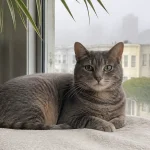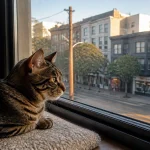
Labor Day travel can affect cats even when they never leave home. A different feeding schedule, unfamiliar house guests, extra noise, or several days without their usual person may leave a cat hiding, eating differently, or acting unusually quiet after everyone returns. For San Francisco cat owners in Noe Valley, Inner Sunset, the Mission, Pacific Heights, the Marina, Richmond, Sunset, and Bernal Heights, the return-home transition deserves as much attention as the departure.
This week's Mission Cats Care Notes focuses on the full holiday arc, especially how to help your cat settle after travel and guests while maintaining steady care through Tuesday, September 8.
Plan the holiday week around your cat's routine
The first decision is whether your cat should stay home with professional care or travel with you. For many cats, remaining in their familiar environment with a reliable San Francisco cat sitter is less disruptive than a carrier trip, unfamiliar lodging, and a new daily schedule. Home-based care also allows your cat to keep familiar sleeping areas, food locations, litter boxes, and hiding places.
Before the holiday weekend, consider what your cat needs from Wednesday through Tuesday, not only while you are away. A healthy adult cat may need regular daily visits, while a senior cat, recovering cat, or cat with special needs may require more frequent check-ins. Cats receiving medication may need a clear plan for cat medication management, including administration times and instructions from your veterinarian.
Think through these questions:
- Will your cat remain at home or travel with you?
- How many daily visits fit your cat's normal feeding and medication schedule?
- Does your cat need senior or recovery-focused observation?
- Who is the emergency contact if your travel plans change?
- What should happen if your return is delayed?
Mission Cats In-Home Care has provided cat-only in-home care across San Francisco and the wider Bay Area since 2009. The team has cared for more than 8,000 cats, with visits designed around the individual cat rather than a generic boarding routine. Review the in-home care services and services and rates before the holiday window becomes crowded.
Prepare the home before you leave
A well-prepared home makes both holiday care and the return-home transition smoother. Leave food, water, litter supplies, and written instructions in consistent locations. If guests will be staying in your home, identify a quiet room or protected area where your cat can retreat without being followed.
Written instructions should describe what is normal for your cat. Include favorite hiding spots, preferred interaction, usual appetite, litter box habits, feeding details, and any behaviors that may look unusual but are typical for that individual cat. Clear notes help a sitter recognize a real change instead of guessing whether a behavior is part of the cat's personality.
Before leaving, confirm:
- Food portions, feeding times, and approved treats
- Multiple fresh water stations
- Litter box locations and cleaning preferences
- Medication names, doses, timing, and administration instructions
- Veterinary and emergency contact information
- Guest boundaries, closed rooms, and areas your cat prefers to avoid
Avoid making major household changes immediately before departure. A new litter type, moved furniture arrangement, or unfamiliar air freshener can add another disruption during an already busy week. Security-conscious preparation also means sharing only the access information needed for care and communicating promptly if your itinerary changes.

Help your cat re-acclimate after guests and schedule changes
When you return from Labor Day travel, your cat may not greet you immediately. Some cats come forward for attention, while others remain under the bed, in a closet, or in a quiet room until the home feels predictable again. Let your cat control the pace of contact. Avoid pulling a hiding cat out or passing them from person to person.
Start by restoring familiar anchors. Feed at the usual times, use the normal bowls and food, reopen preferred resting areas, and return to ordinary play or grooming if your cat enjoys those activities. Keep voices and movement calm for the first day or two, especially if guests are still present.
If your cat has been overwhelmed by visitors, create a temporary home base with familiar bedding, water, food, a clean litter box, and an appropriate hiding place. Ask guests to leave that space undisturbed. When your cat begins moving comfortably through the home, allow access to additional rooms gradually rather than encouraging a sudden reunion with the entire household.
A calm reintroduction is especially helpful in compact San Francisco homes, where hallway traffic, apartment sounds, and visiting family members can make it difficult for a cat to find privacy. A patient san francisco cat sitter can also help preserve familiarity during the days before you return by keeping visits consistent and respecting a shy cat's boundaries.
Watch for subtle signs of stress or health change
After a holiday absence, it is easy to assume every unusual behavior is simply stress. Stress can cause hiding, reduced interaction, increased vocalization, changes in grooming, or altered litter box habits. However, similar signs can accompany illness, pain, urinary problems, or other medical concerns.
For the first several days after travel or house guests, observe:
- Appetite and water intake
- Urination and bowel movements
- Hiding, restlessness, or unusual withdrawal
- Grooming, overgrooming, or a neglected coat
- Vomiting, diarrhea, coughing, eye discharge, or breathing changes
- Straining in the litter box or repeated trips with little output
Cornell Feline Health Center resources on feline health topics include information about behavior, house soiling, hydration, urinary concerns, senior cats, and other conditions that may help you prepare questions for your veterinarian. Online information cannot determine why an individual cat has changed.
Contact your veterinarian promptly if your cat has a marked or persistent appetite change, repeated vomiting or diarrhea, breathing difficulty, significant lethargy, painful urination, blood in the urine, or other concerning symptoms. If you are uncertain whether a behavior is stress or illness, calling your veterinary practice is safer than waiting for the holiday week to pass.

Keep medication and special-needs care on schedule
Holiday disruptions can make medication timing harder, particularly when travel delays, overnight guests, or changed household routines are involved. Write down each medication's schedule and administration instructions before leaving, and confirm that supplies will last through your full absence, including an unexpected extra day.
For cats who need insulin, fluids, oral medication, topical treatment, or post-operative observation, discuss the care plan with your veterinarian before the holiday. Ask what signs should prompt a call, what missed-dose instructions apply, and whether the veterinary office has a holiday procedure for urgent questions. A sitter should follow the instructions provided for your cat and should not improvise changes to treatment.
Mission Cats offers in-home visits that can include medication administration, feeding, fresh water, litter care, enrichment, and wellness notes. Availability and visit timing depend on the request and the cat's needs, so senior cat care San Francisco families should plan early. If your cat is recovering or requires medication, mention those needs during registration and reservation.
For future trips, keep a copy of:
- Your veterinarian's name and phone number
- Medication instructions and refill information
- Your emergency contact's name and phone number
- Your preferred emergency hospital
- Your cat's normal appetite, litter, mobility, and behavior
Local emergency resources for San Francisco cat owners
If your cat develops an emergency after you return, call a veterinary hospital before traveling when possible and follow its current instructions. The following San Francisco resources were verified for this week's note, but hours, services, and intake policies can change.
- Ocean Avenue Veterinary Hospital, 1001 Ocean Ave, San Francisco, CA 94112, (415) 586-5327. The hospital states that it is open 24/7 for emergencies and accepts walk-ins.
- SAGE Veterinary Centers San Francisco, 600 Alabama St, San Francisco, CA 94110, (415) 566-0540. SAGE lists 24-hour emergency and specialty services.
- SF SPCA Veterinary Hospital, 201 Alabama Street, San Francisco, CA 94103, (415) 554-3030. Appointments are required, so contact the hospital before bringing your cat for non-emergency care.
- ASPCA Animal Poison Control Center, (888) 426-4435. The service is available 24/7, and a consultation fee may apply.
If you suspect your cat has ingested a toxic substance, call ASPCA Poison Control or an emergency veterinary hospital right away. Do not give home remedies or induce vomiting unless a veterinary professional specifically directs you to do so.
A steady return is easier than a rushed one
Your cat does not need an elaborate post-holiday program. Most cats benefit from familiar food, predictable visits, clean resources, quiet spaces, and patient observation. Give your cat time to resume normal behavior, while taking changes in appetite, litter box use, grooming, and energy seriously.
Mission Cats In-Home Care provides cat sitting San Francisco families can use before, during, and after holiday travel. Since the service is cat-only and delivered in the home, visits can support the routines that matter most to your cat without the disruption of boarding. New clients can begin with new client registration, and returning clients can request care through the reservation portal.
Sources and local references
- Cornell Feline Health Center: Feline Health Topics
- Mission Cats In-Home Care
- Mission Cats Services and Rates
- Ocean Avenue Veterinary Hospital
- SAGE Veterinary Centers San Francisco
- SF SPCA Veterinary Hospital
- ASPCA Animal Poison Control
Disclaimer: This article is provided for general informational and educational purposes only. It does not constitute veterinary, medical, behavioral, legal, security, travel, emergency, or other professional advice. Every cat and household is different. Services, rates, policies, staffing, geographic coverage, and availability may change. Readers should confirm current information directly with Mission Cats In-Home Care and consult a licensed veterinarian or other qualified professional before acting. References to outside organizations, products, providers, or resources do not imply endorsement, partnership, availability, or guaranteed results. Submission of an inquiry, registration, or reservation request does not guarantee service or confirm a booking.