Avoiding common pitfalls to ensure your Bay Area cat receives professional, stress-free care while you travel.
Imagine you are Sarah, a software engineer living in San Francisco’s Mission District. You have a week-long trip to New York planned, and your senior cat, Barnaby, needs daily medication for his thyroid. To save a bit of money, you hire a college student from a popular gig-economy app who has a "love for animals" but no formal training. Three days into your trip, the updates stop. You call, text, and message through the app, but there is no response. By the time you get a neighbor to check in, Barnaby has missed two doses of his medication and is hiding, lethargic, in the back of a closet. This scenario is a nightmare for any pet parent, yet it happens more often than most realize when the search for cat sitting San Francisco services prioritizes convenience or cost over professional standards [1].
The pet care industry has exploded in recent years, with the American Pet Products Association (APPA) reporting that Americans spent over $147 billion on their pets in 2023 alone [2]. In a high-demand market like the Bay Area, spanning from cat sitters Oakland to specialists in cat sitter Walnut Creek and cat sitter Palo Alto, the sheer number of options can be overwhelming. However, the difference between a "cat lover" and a professional feline care provider is significant, impacting everything from your cat's health to your home's security.
In this guide, you will learn:
- How to identify and verify professional credentials that actually protect your pet.
- Why specialized feline knowledge is non-negotiable for safe in-home care.
- The specific steps to take to ensure your sitter is prepared for a Bay Area emergency.
1. Prioritizing Price Over Professionalism
One of the most frequent errors cat owners make is choosing a sitter based solely on the lowest daily rate. While it is tempting to save money, particularly given the cost of living in the Bay Area, low rates often reflect a lack of business infrastructure. Professional cat sitting San Francisco providers must cover the costs of commercial liability insurance, bonding, and ongoing education [3].
When a sitter charges significantly below the market average, they are often a "hobbyist" who may not have the financial or legal safety nets required if something goes wrong. If a sitter accidentally breaks a pipe or if your cat is injured under their watch, a hobbyist likely lacks the insurance to cover those damages, leaving you liable [4]. To fix this, ask for proof of a current commercial liability policy specifically for pet sitting.
2. Not Verifying Insurance and Bonding
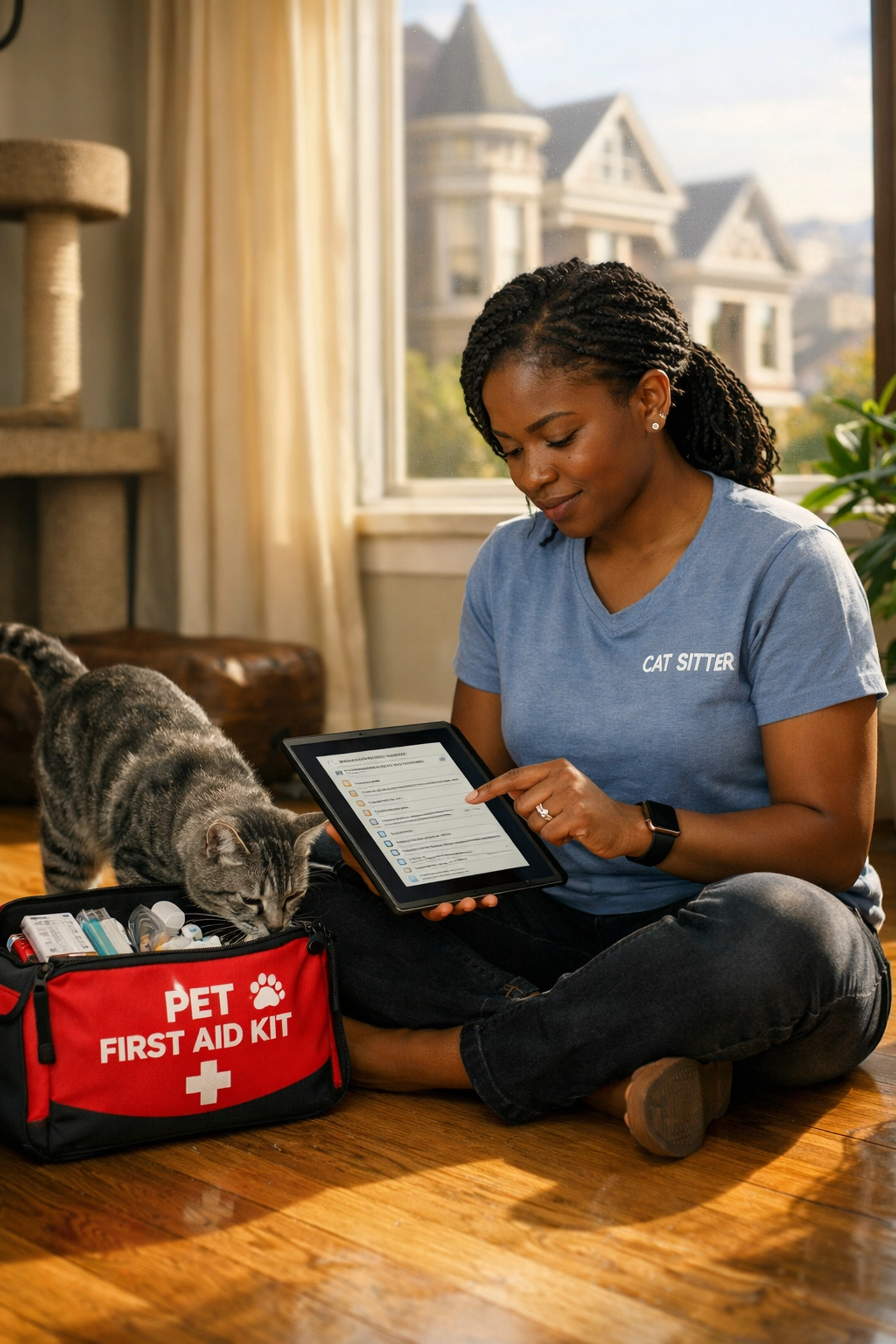
Many owners assume that because a sitter is listed on a major app, they are fully insured. This is a dangerous misconception. Many app-based "guarantees" are secondary coverages with high deductibles and strict exclusions that may not cover your home or your pet in the way a primary, professional policy does [1].
In California, professional pet sitters should also be bonded. Bonding protects the client against acts of dishonesty, such as theft, committed by the sitter or their employees [5]. For those seeking a cat sitter Palo Alto or anywhere in the peninsula, verifying these credentials through organizations like Pet Sitters International (PSI) ensures the business meets industry standards for safety and ethics.
3. Using Neighbors or Friends Instead of Professionals
It is a classic Bay Area move: "My neighbor's teenager will do it for twenty bucks." While this seems like a win-win, it lacks the accountability of a professional contract. Neighbors may forget a visit, feel uncomfortable administering medication, or fail to recognize subtle signs of feline distress. Cats are masters of hiding illness; a professional knows how to spot the "hunched" posture or changes in litter box habits that indicate a medical emergency [6].
A professional service provides a paper trail, check-in GPS logs, and a level of commitment that a casual favor simply cannot match. If you are looking for cat sitters Oakland, ensure they operate as a registered business with the California Secretary of State to confirm their legitimacy and commitment to the profession [7].
4. Skipping the In-Home Meet and Greet
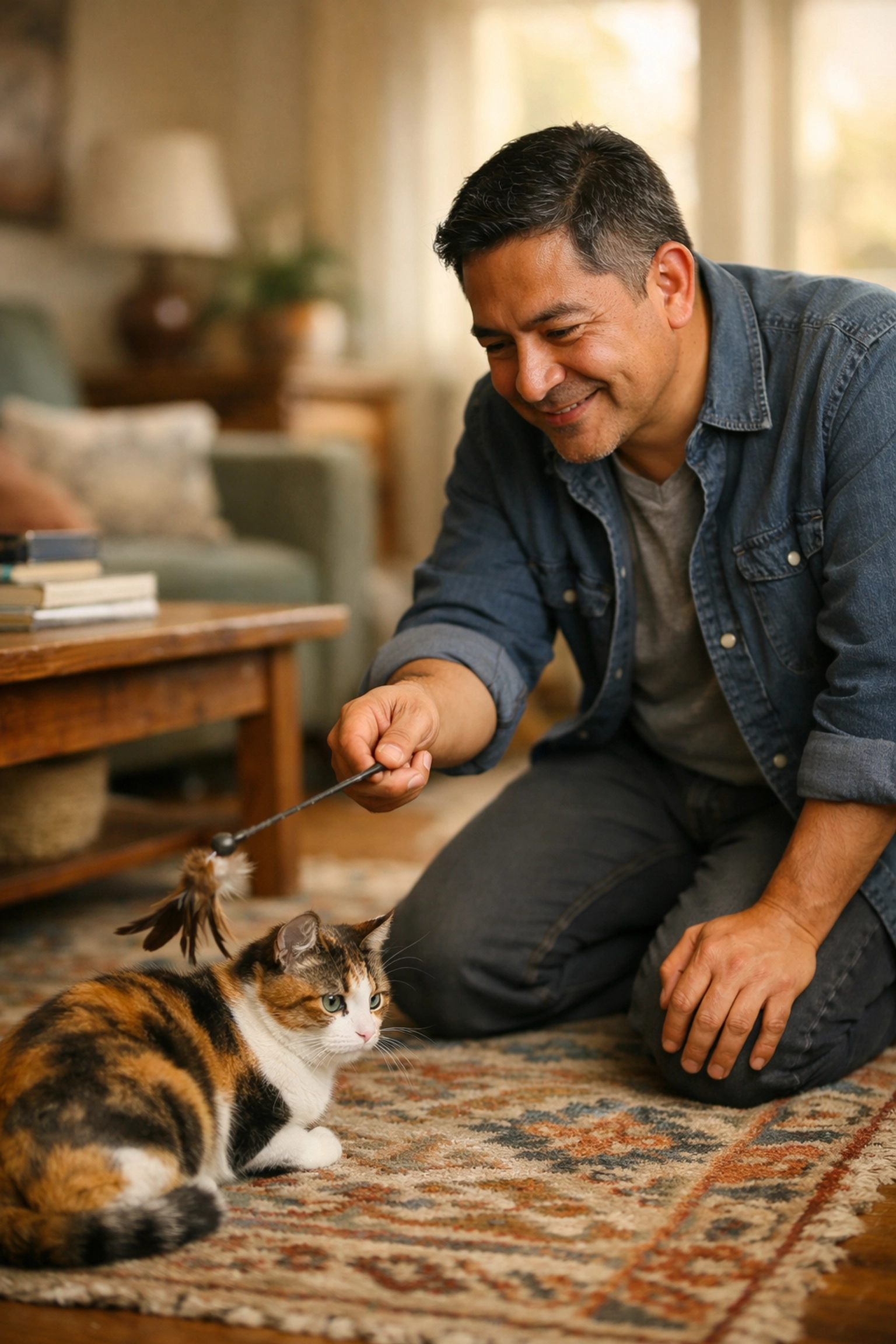
In a busy city like San Francisco, it is easy to want to skip the "meet and greet" and just leave the keys under the mat. However, a physical meeting is essential for several reasons. First, it allows you to observe how the sitter interacts with your cat. Even the most social cat might react poorly to a specific stranger's energy [8].
Second, it allows you to walk the sitter through your home’s quirks, which doors stick, where the fuse box is, and how the alarm system works. A professional cat sitter Walnut Creek will use this time to take detailed notes on your cat’s hiding spots and the location of all cleaning supplies, ensuring no time is wasted when they arrive for the first actual visit.
5. Assuming All Pet Sitters "Do" Cats
Many pet sitters are primarily dog walkers who "also do cats." The mistake here is assuming that cat care is just "dog care minus the walks." Cats have unique physiological and behavioral needs. For instance, certain essential oils common in homes can be toxic to cats, and their social needs are often more complex than just being "solitary" [9].
A dedicated cat sitter understands feline-specific behavior, such as the importance of vertical space and the signs of feline idiopathic cystitis (FIC), which can be triggered by the stress of an owner leaving [6]. When interviewing sitters in the Bay Area, ask specifically about their experience with cats, not just "pets" in general.
6. Failing to Establish an Emergency Protocol
What happens if there is an earthquake while you are in Europe? Or what if your cat develops a sudden urinary blockage at 2:00 AM? A common mistake is not providing the sitter with a "vet release form" that authorizes them to seek medical care up to a certain dollar amount in your absence [10].
Professional sitters in San Francisco and Oakland should have a clear disaster plan and be familiar with local 24-hour emergency clinics, such as the VCA San Francisco Veterinary Specialists or the Bay Area Veterinary Specialists. Without a pre-signed authorization, a vet may be legally unable to provide life-saving treatment until they reach you, which could be hours later [11].
7. Waiting Until the Last Minute to Book
The Bay Area is a high-travel region, especially during holidays and summer months. One of the biggest mistakes is trying to find a cat sitter Palo Alto or San Francisco two days before a major holiday like Thanksgiving. High-quality, professional sitters often book up months in advance [3].
By waiting until the last minute, you are often forced to settle for whoever is "available" rather than who is "best." This leads to many of the mistakes listed above, such as hiring unverified individuals or skipping the meet and greet.
Comparison: Professional Cat Sitter vs. Hobbyist Sitter
| Feature | Professional Service | Hobbyist/App User |
|---|---|---|
| Commercial Insurance | Primary, specialized policy [4] | Often limited or secondary [1] |
| Bonding | Included for theft protection [5] | Rarely available |
| Feline Training | Certifications (PSI/NAPPS) [3] | Personal experience only |
| Emergency Plan | Written protocols/Vet release | Informal or none |
| Accountability | Business contract/GPS logs | Verbal agreement |
| Backup Care | Team-based or network [12] | If they are sick, no one comes |
Timeline for Hiring a Professional Cat Sitter
To ensure you avoid the stress of a bad hire, follow this timeline for your next trip:
- 6 Weeks Before: Research professional cat sitting San Francisco companies and check their reviews and business standing with the Better Business Bureau [13].
- 5 Weeks Before: Contact 2-3 providers to check availability and request their "Service Agreement" and proof of insurance.
- 4 Weeks Before: Schedule and conduct an in-home meet and greet. Observe the interaction with your cat [8].
- 3 Weeks Before: Confirm your booking with a deposit and provide the sitter with your house keys and entry codes.
- 2 Weeks Before: Update your "Cat Profile" with current medication instructions, favorite hiding spots, and vet contact info.
- 1 Week Before: Leave a "Vet Release Form" and an emergency credit card or payment authorization with your veterinarian [10].
- 3 Days Before: Buy extra litter, food, and any necessary medications to ensure the sitter doesn't run out.
- 1 Day Before: Send a quick text or email to confirm the first visit time.
- During Trip: Enjoy daily updates and photos from your professional sitter.
- Return Home: Verify your cat is healthy and the home is secure; leave a review for your sitter.
Case Example: The Value of Observation
In early 2024, a professional sitter in Walnut Creek was visiting a 10-year-old Siamese named Miso. The owner was on a 10-day trip to Japan. On day four, the sitter noticed that while Miso was eating normally, he had not used the litter box for over 18 hours. A casual sitter might have missed this, assuming the cat was just "holding it" or had an accident elsewhere.
Because the sitter was trained in feline health signs, they immediately checked Miso’s abdomen and found it was tense and painful. They contacted the owner, invoked the pre-signed vet release, and rushed Miso to an emergency clinic. It turned out Miso had a partial urinary blockage, a life-threatening condition for male cats [6]. Because the professional sitter caught it early, Miso made a full recovery. If the owner had relied on a neighbor who only popped in for five minutes, the outcome could have been fatal [11].
What Smart Critics Argue
Some argue that professional pet sitting is an unnecessary luxury when apps like Rover or Wag offer cheaper alternatives. Critics suggest that for a healthy, young cat, a professional is "overkill."
However, professional associations like Pet Sitters International argue that the "luxury" isn't just the care, it's the risk management [3]. A young cat can still experience a home emergency (like a burst pipe or a break-in) or a sudden illness. The Cornell Feline Health Center notes that cats are notoriously good at masking pain until a condition is severe [6]. A professional is trained to look for these masks, whereas a casual sitter is looking for a "happy cat" and might miss the subtle reality.
Others argue that friends and family are "better" because they already know the cat. While the personal connection is valuable, the lack of a legal contract means there is no recourse if a door is left unlocked or a meal is missed. Professionalism provides a layer of security that friendship cannot always guarantee [4].
Key Takeaways
- Credentials Matter: Always verify primary commercial insurance and bonding specifically for pet sitting [4].
- Feline Focus: Choose a sitter who understands cat-specific behavior and medical "red flags" [6].
- Documentation is Safety: Use vet release forms and detailed service agreements to protect your pet legally [10].
- Local Knowledge: Ensure your sitter knows the nearest emergency vets in San Francisco, Oakland, Walnut Creek, or Palo Alto [11].
- Professionalism Pays: The cost of a professional is an investment in your peace of mind and your cat's survival [3].
- Meet First: Never skip the in-home consultation; it’s your best chance to vet the sitter’s energy and knowledge [8].
- Book Early: Secure your spot with a professional at least 4-6 weeks in advance, especially for holiday travel.
Actions You Can Take
At Home
Create a "Cat Care Command Center" on your fridge. Include your vet’s name, the nearest 24-hour emergency clinic, your cat's microchip number, and a signed vet release form.
In the Community
Ask your local veterinarian in Oakland or Palo Alto for recommendations. Vets often keep a list of professional sitters they trust because they’ve seen the results of poor care in their emergency rooms.
In Civic Life
Support local small businesses. Choosing a locally owned professional cat sitting San Francisco company keeps money in the Bay Area economy and ensures you have a provider who understands local challenges like earthquake preparedness.
At Work
If you travel frequently for work, negotiate pet care as part of your travel reimbursement or "fringe benefits." Some tech companies in the Bay Area are beginning to recognize pet care as a legitimate employee wellness expense.
One Extra Step
Join a professional pet care advocacy group or follow organizations like the AAFP (American Association of Feline Practitioners) to stay updated on the latest in cat health and safety standards.
FAQ
Is it really necessary for the sitter to stay overnight?
Not usually. Most cats prefer to have their home to themselves at night. However, daily visits are essential for social interaction and health monitoring. For cats with severe separation anxiety or medical needs, overnight care may be recommended [9].
How do I know if a sitter is actually bonded?
Ask for their "Certificate of Insurance." This document will list their liability limits and should also mention their bonding status. You can call the insurance company listed to verify the policy is active [5].
What if my cat is "shy" and hides from the sitter?
Professional sitters are used to "hiders." They will use techniques like low-stress handling and pheromone sprays to make the cat feel safe. Even if they don't see the cat, they will monitor food consumption and litter box usage to ensure the cat is healthy [8].
Do professional sitters in the Bay Area handle medical cats?
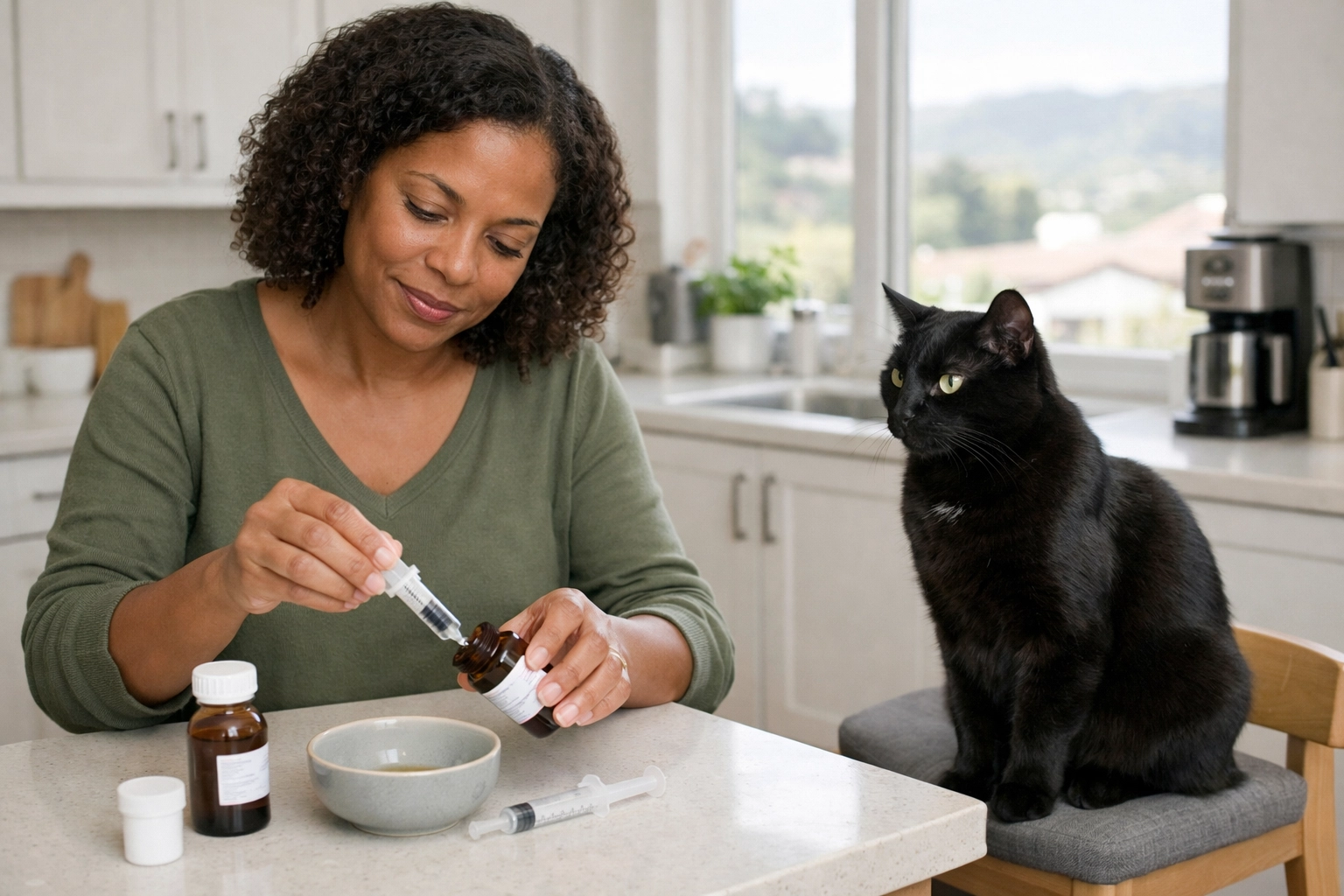
Yes, most professional cat sitters are trained in administering pills, liquids, and even subcutaneous fluids or insulin injections. This is a primary reason to hire a professional over a hobbyist [3].
What is a "Vet Release Form"?
It is a legal document that gives your sitter the authority to make medical decisions for your cat up to a certain financial limit if you cannot be reached. It ensures your cat gets immediate care in an emergency [10].
Mission Cats In-Home Care
Trusted Care for the Cats You Love, Right at Home.
When you travel, your cat deserves more than a quick check-in. Mission Cats In-Home Care provides reliable, loving, professional care in the comfort of your cat’s own home, so you leave with confidence and return to a calm, well-cared-for companion.
Serving San Francisco, Oakland, Walnut Creek, and Palo Alto.
www.missioncats.com
missioncats@missioncats.com
(800) 580-5612 | (415) 376-6082 | (415) 437-2287
Oakland: (510) 315-6446
San Francisco: (415) 528-5471
Palo Alto: (650) 425-3444
Walnut Creek: (925) 376-1300
Professional in-home care for cats whose people want peace of mind, dependable service, and thoughtful attention.
Sources
[1] Pet Sitters International, "Pet-Sitting Service Contracts and Insurance," January 2024, https://www.petsit.com/insurance-and-contracts, Accessed March 28, 2026.
[2] American Pet Products Association, "Pet Industry Market Size, Trends & Ownership Statistics," 2023, https://www.americanpetproducts.org/press_industrytrends.asp, Accessed March 28, 2026.
[3] National Association of Professional Pet Sitters, "Why Hire a Professional Pet Sitter," 2025, https://petsitters.org/page/WhyHireAProfessionalPetSitter, Accessed March 28, 2026.
[4] Insurance Information Institute, "Pet Insurance and Liability," October 2024, https://www.iii.org/article/pet-insurance-and-liability, Accessed March 28, 2026.
[5] California Department of Insurance, "Guide to Commercial Insurance," 2025, http://www.insurance.ca.gov/01-consumers/105-type/95-guides/01-auto/commercial-guide.cfm, Accessed March 28, 2026.
[6] Cornell Feline Health Center, "The Special Needs of the Senior Cat," 2023, https://www.vet.cornell.edu/departments-centers-and-institutes/cornell-feline-health-center/health-information/feline-health-topics/special-needs-senior-cat, Accessed March 28, 2026.
[7] California Secretary of State, "Business Search," 2026, https://bizfileonline.sos.ca.gov/search/business, Accessed March 28, 2026.
[8] American Association of Feline Practitioners, "Feline-Friendly Handling Guidelines," 2022, https://catvets.com/guidelines/practice-guidelines/handling-guidelines, Accessed March 28, 2026.
[9] American Veterinary Medical Association, "Selecting a Pet Sitter," 2024, https://www.avma.org/resources/pet-owners/petcare/selecting-pet-sitter, Accessed March 28, 2026.
[10] ASPCA, "Preparing for a Pet Sitter," 2025, https://www.aspca.org/pet-care/general-pet-care/preparing-pet-sitter, Accessed March 28, 2026.
[11] UC Davis School of Veterinary Medicine, "Emergency and Critical Care Services," 2026, https://vetmed.ucdavis.edu/hospital/small-animal/emergency-critical-care, Accessed March 28, 2026.
[12] IBISWorld, "Pet Grooming & Boarding in the US – Market Size," February 2026, https://www.ibisworld.com/united-states/market-research-reports/pet-grooming-boarding-industry/, Accessed March 28, 2026.
[13] Better Business Bureau, "Pet Services in San Francisco, CA," 2026, https://www.bbb.org/ca/ca/san-francisco/category/pet-services, Accessed March 28, 2026.
Social Sharing Assets
- "Choosing a cat sitter isn't just about who's cheapest: it's about who's insured, bonded, and trained to handle a feline emergency in the Bay Area."
- "Did you know cats are masters at masking pain? A professional sitter knows the subtle signs of illness that a neighbor might miss."
- "From San Francisco to Palo Alto, leaving your cat at home is the gold standard for reducing stress: if you have the right professional team by your side."