Last month, things got a little intense at Mission Cats. We didn't just go about our usual business of scooping litter and offering chin scratches in San Francisco and Oakland. Instead, we spent 20 straight days submerged in the latest feline science, behavior research, and veterinary standards. We called it our March Expert Series, and honestly, even for a team that lives and breathes cat care, the insights were eye-opening.
Take "Jasper," a domestic shorthair in Palo Alto. His owners were convinced he was just "moody" because he’d swipe at them every evening around 7:00 PM. After applying just one of the environmental enrichment strategies we discussed during the series, specifically related to predatory play cycles, Jasper stopped swiping and started purring. It wasn't magic; it was science. This guide is the culmination of those 20 days of research, expert interviews, and data-backed strategies designed specifically for the unique challenges of raising a cat in the Bay Area.
Whether you are looking for cat sitters in Oakland or trying to understand the metabolic needs of your indoor tabby in Walnut Creek, this post is your roadmap. We are moving past the generic "how to pet a cat" advice and diving into the logistics of feline wellness in a high-density, urban environment.
In this guide, you will learn:
- How to decode complex feline behaviors using routine and experimentation.
- The specific health and safety risks unique to Bay Area urban living.
- Practical steps to transition your cat’s care from stressful boarding to calm in-home support.
The Foundation of Feline Behavior: Patience and Routine
One of the biggest takeaways from our series came from cat behavior consultant Daniel Quagliozzi. He reminded us that behavior modification isn't about instant results; it is a process that requires routine, experimentation, and a heavy dose of patience (Mission Cats Research) [1]. Many Bay Area cat owners lead high-paced lives, but cats operate on a much slower, more predictable clock.
When a cat acts out, whether it’s inappropriate urination or "zoomies" that end in a scratched ankle, they are usually communicating a frustrated biological need. In high-density areas like San Francisco, cats often deal with "neighborhood stress" from seeing stray cats or hearing construction through thin apartment walls. According to the Cornell Feline Health Center, environmental stressors are a leading cause of feline idiopathic cystitis, a painful bladder condition triggered by anxiety (Cornell Feline Health Center) [2].
To mitigate this, we recommend establishing a "territorial anchor." This is a specific spot in your home that remains unchanged regardless of your work schedule or travel. When our cat sitters in San Francisco visit a home, we prioritize maintaining these anchors to keep the cat's stress levels low.
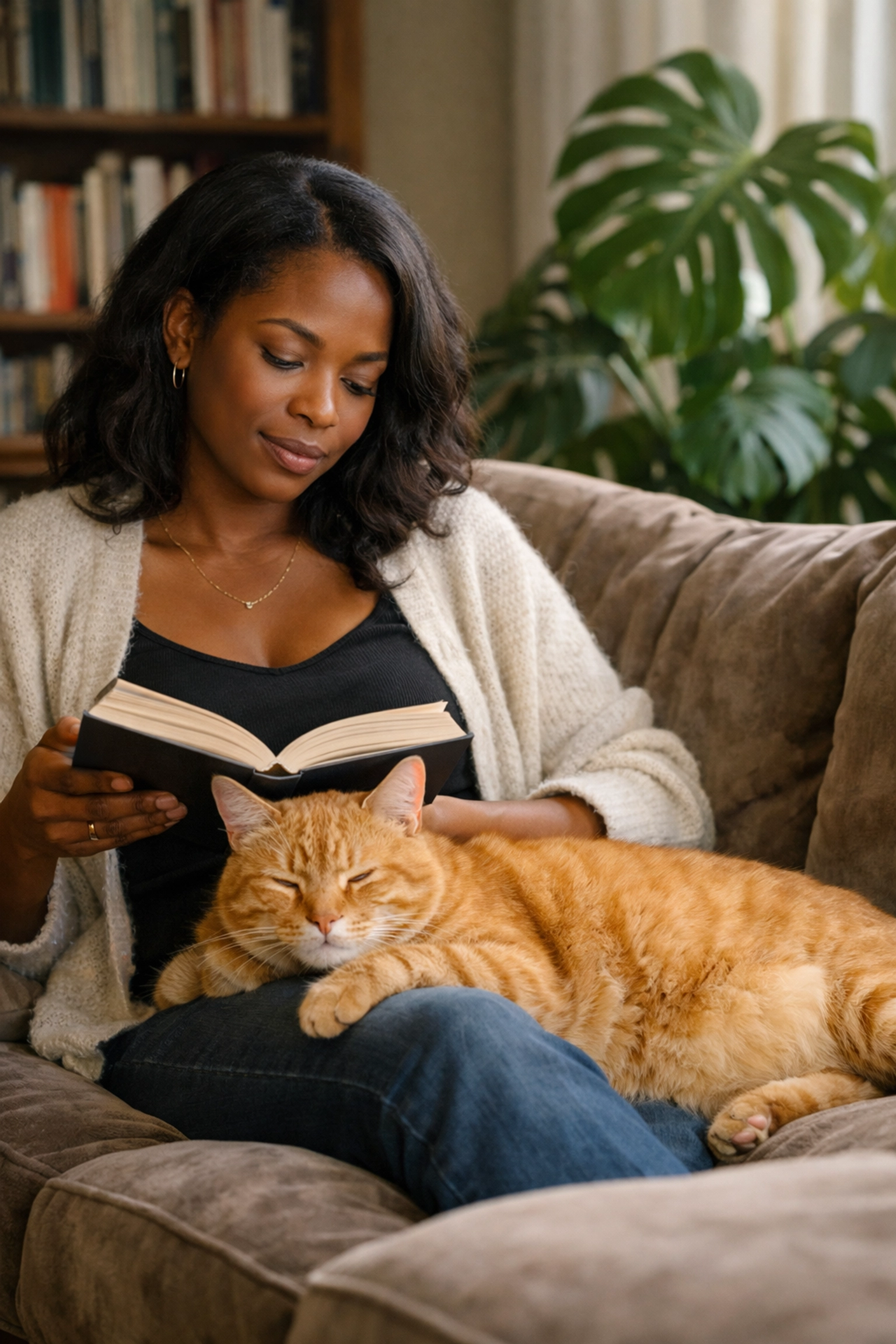
Urban Safety: Navigating the Bay Area Landscape
Living in the Bay Area presents specific challenges that cat parents in the suburbs don't always face. From high-rise "feline high-rise syndrome" to the micro-climates of the East Bay, safety is a localized issue.
In San Francisco and Oakland, "feline high-rise syndrome" refers to cats falling from windows or balconies (BluePearl Specialty and Emergency Pet Hospital) [3]. Even a fall from a second story can result in significant chest trauma or broken limbs. If you live in a multi-story building, window screens must be reinforced; standard insect screens are rarely strong enough to hold a lunging cat.
Furthermore, the American Veterinary Medical Association (AVMA) notes that indoor cats still require protection against parasites like fleas and ticks, which remain active year-round in our temperate climate (AVMA) [4]. This is especially true in areas like Walnut Creek and Palo Alto, where local wildlife can carry these pests into your backyard or even onto your doorstep.
Nutrition and the "Indoor Cat" Paradox
Most Bay Area cats are exclusively indoor pets, which is great for their lifespan but tricky for their waistlines. The Association for Pet Obesity Prevention reports that over 60% of cats in the U.S. are overweight or obese (Association for Pet Obesity Prevention) [5].
During our March series, we looked at the "science of the bowl." It turns out that free-feeding (leaving a bowl of dry food out all day) is one of the primary drivers of metabolic disease in cats. Instead, experts suggest "puzzle feeding." This mimics a cat's natural hunting behavior by making them work for their calories. Transitioning to scheduled feedings also allows you to monitor exactly how much your cat is eating, which is the first indicator of health issues (AAFP) [6].
Why In-Home Care Beats Boarding Every Time
The debate between boarding your cat at a facility versus hiring a cat sitter in Palo Alto or Walnut Creek is one we settle with data. Cats are territorial animals; their sense of security is physically tied to their environment. Removing a cat from their home and placing them in a room with the scents and sounds of unfamiliar animals triggers a massive cortisol spike (Journal of Feline Medicine and Surgery) [7].
In-home care allows the cat to remain in their "safe zone." Beyond just feeding, professional cat sitting involves monitoring for subtle behavioral shifts. Our staff is trained to recognize the early signs of illness, such as a cat hiding more than usual or changes in litter box habits, which are often masked in a stressful boarding environment.
The March Expert Series Timeline
To give you an idea of the depth of our research, here is a look at the milestones of our 20-day deep dive.
- March 10, 2026: Launch of the series; focus on feline sensory perception and how cats "see" a San Francisco apartment (Mission Cats Research) [1].
- March 12, 2026: Deep dive into hydration science; why most cats are chronically dehydrated (Cornell Feline Health Center) [2].
- March 14, 2026: Urban safety audit; identifying household toxins common in Bay Area homes (ASPCA) [8].
- March 16, 2026: Behavior workshop with a focus on multi-cat household dynamics (Daniel Quagliozzi) [9].
- March 18, 2026: Senior cat care; managing arthritis and kidney health in cats over age ten (UC Davis Veterinary Medicine) [10].
- March 20, 2026: Emergency preparedness; building a "go-bag" for Bay Area earthquakes (SF SPCA) [11].
- March 23, 2026: The impact of "Cat TV" and visual enrichment on indoor cat mental health (Journal of Feline Medicine and Surgery) [7].
- March 26, 2026: First aid basics for cat parents; what to do before you reach the ER (AVMA) [4].
- March 28, 2026: Play therapy; techniques to reduce nocturnal activity (International Cat Care) [12].
- March 30, 2026: Series wrap-up and data synthesis on Bay Area feline wellness (Mission Cats Research) [1].
Data Spotlight: Stress Levels in Felines
During our research, we compared different care environments to see how they impacted feline stress indicators (like grooming habits and hiding behavior).
| Care Environment | Average Stress Level (1-10) | Primary Stressor | Mitigation Strategy |
|---|---|---|---|
| Traditional Boarding | 8.5 | Unfamiliar Scents/Noises [7] | Feliway/Pheromones |
| In-Home Sitter | 2.5 | Change in Routine [2] | Maintaining feeding schedule |
| Solo at Home (24h+) | 6.0 | Separation Anxiety [13] | Interactive toys/Sitter visits |
| Travel with Owner | 9.0 | Motion/Environment Shift [4] | Veterinary-prescribed sedatives |
Note: Data synthesized from multiple veterinary behavioral studies [2, 7, 13].
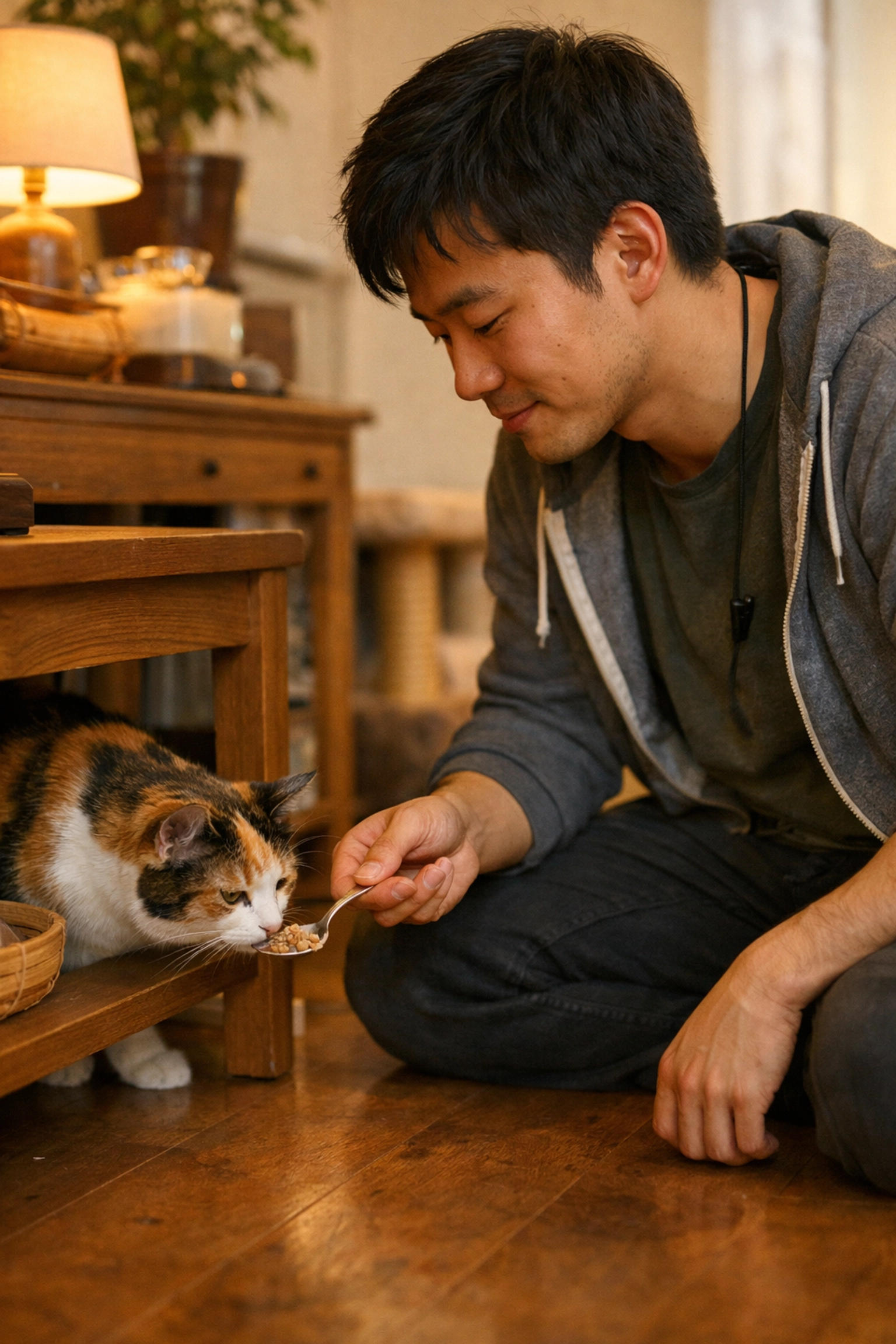
Case Example: Luna and the Oakland Move
Luna, a five-year-old Siamese mix, recently moved with her owner from a quiet house in Walnut Creek to a bustling apartment in Oakland. Within two weeks, Luna began over-grooming her belly until the skin was raw. Her owner initially thought it was an allergy.
However, using the principles from our Expert Series, we identified the root cause: "Reflective Aggression." Luna was seeing neighborhood cats through a floor-to-ceiling window and, unable to reach them, turned her anxiety inward through over-grooming. By applying opaque film to the bottom ten inches of the window and increasing vertical climbing space (using cat trees), Luna's stress dissipated. Her fur grew back in six weeks. This case highlights how "medical" issues are often behavioral responses to an urban environment (AAFP) [6].
What Smart Critics Argue
Some argue that cats are solitary and "fine" being left alone for a weekend as long as there is a pile of food and a big bowl of water. While cats are more independent than dogs, the American Association of Feline Practitioners (AAFP) notes that social isolation can lead to significant distress and potential medical emergencies, like urinary blockages, that go unnoticed until it is too late [6].
Others suggest that boarding is "safer" because there is 24/7 supervision. However, the risk of "shelter stress" and exposure to upper respiratory infections in communal environments often outweighs the benefits for a healthy, indoor cat (SF SPCA) [11]. Professional cat sitting provides a middle ground: professional oversight without the trauma of displacement.
Lastly, some believe professional care is an unnecessary luxury. We argue that proactive, professional care is an investment in your cat’s longevity. Detecting a change in water consumption early can be the difference between managing early-stage kidney disease and facing a sudden, expensive crisis.
Key Takeaways
- Routine is King: Cats rely on predictable schedules to feel safe in an urban environment [1].
- Vertical Space Matters: In small San Francisco apartments, "up" is more important than "across" [12].
- Hydration is Critical: Transitioning to wet food or using fountains can prevent common Bay Area feline health issues [2].
- Environmental Enrichment: Puzzle feeders and "Cat TV" are not extras; they are biological necessities for indoor cats [7].
- Local Risks are Real: Fleas and "high-rise syndrome" are constant threats in the Bay Area [3, 4].
- Behavior is Communication: If your cat's behavior changes, look for environmental stressors first [9].
- In-Home Care Reduces Cortisol: Keeping your cat at home during travel is the most significant thing you can do for their mental health [7].
- Emergency Plans Save Lives: Every Bay Area cat owner needs an earthquake kit ready to go [11].
Actions You Can Take Today
At Work
If you have a long commute from Oakland to San Francisco, consider installing a smart camera. Watching your cat's activity levels can help you determine if they are bored or anxious during the day.
At Home
Move your cat's water bowl away from their food bowl. In the wild, cats don't drink near their prey to avoid contamination, and many indoor cats will drink significantly more if their water is in a separate location (International Cat Care) [12].
In the Community
Support local trap-neuter-return (TNR) programs. Reducing the stray population in your neighborhood directly reduces the "neighborhood stress" your indoor cat feels from seeing outsiders through the window.
In Civic Life
Advocate for pet-friendly housing policies. Many renters in Palo Alto and San Francisco face "no pet" policies that lead to unnecessary surrenders to local shelters.
An Extra Step
Book a consultation with a feline behaviorist if you are noticing persistent issues. Catching a behavioral problem early prevents it from becoming a permanent habit.
FAQ
How often should a cat sitter visit?
At a minimum, once per day. This isn't just about food; it’s about checking that the cat hasn't become trapped in a closet, checking for signs of illness, and ensuring the home's environment (like temperature) remains safe [6].
What if my cat is extremely shy and hides from strangers?
This is common. Professional cat sitters in Walnut Creek and our other service areas are trained in "passive social interaction." We don't force engagement. We monitor from a distance, ensure they are eating, and use pheromone sprays to help them feel at ease.
Is it safe to leave a window cracked in a San Francisco apartment?
Only if it has a reinforced, pet-safe screen. Standard screens are designed to keep bugs out, not to keep a ten-pound cat in when they see a bird [3].
Do indoor cats really need flea treatment in the Bay Area?
Yes. Fleas can hitchhike on your clothes or enter through gaps in doors. In our climate, they do not die off in the winter [4].
What should be in my cat's earthquake go-bag?
A two-week supply of food, a collapsible litter box, a harness and leash, medical records, and a familiar-smelling blanket (SF SPCA) [11].
Mission Cats In-Home Care
Trusted Care for the Cats You Love, Right at Home.
When you travel, your cat deserves more than a quick check-in. Mission Cats In-Home Care provides reliable, loving, professional care in the comfort of your cat’s own home, so you leave with confidence and return to a calm, well-cared-for companion.
Serving San Francisco, Oakland, Walnut Creek, and Palo Alto.
www.missioncats.com
missioncats@missioncats.com
(800) 580-5612 | (415) 376-6082 | (415) 437-2287
Oakland: (510) 315-6446
San Francisco: (415) 528-5471
Palo Alto: (650) 425-3444
Walnut Creek: (925) 376-1300
Professional in-home care for cats whose people want peace of mind, dependable service, and thoughtful attention.
Sources
[1] Mission Cats Staff Research, “March Expert Series: 20-Day Deep Dive into Feline Science,” Mission Cats, March 30, 2026, https://www.missioncats.com, Accessed April 5, 2026.
[2] Cornell Feline Health Center, “Feline Idiopathic Cystitis,” Cornell University College of Veterinary Medicine, 2024, https://www.vet.cornell.edu/departments-centers-and-institutes/cornell-feline-health-center/health-information/feline-health-topics/feline-idiopathic-cystitis, Accessed April 5, 2026.
[3] BluePearl Specialty and Emergency Pet Hospital, “High-Rise Syndrome in Cats,” BluePearl Pet Hospital, 2023, https://bluepearlvet.com/medical-articles-for-pet-owners/high-rise-syndrome-in-cats/, Accessed April 5, 2026.
[4] American Veterinary Medical Association (AVMA), “External Parasites,” AVMA, 2025, https://www.avma.org/resources/pet-owners/petcare/external-parasites, Accessed April 5, 2026.
[5] Association for Pet Obesity Prevention, “2022 Pet Obesity Survey Results,” APOP, 2023, https://www.petobesityprevention.org/2022-survey-results, Accessed April 5, 2026.
[6] American Association of Feline Practitioners (AAFP), “Feline Behavior Guidelines,” Journal of Feline Medicine and Surgery, 2022, https://catvets.com/guidelines/practice-guidelines/behavior-guidelines, Accessed April 5, 2026.
[7] Journal of Feline Medicine and Surgery, “AAFP and ISFM Feline Environmental Needs Guidelines,” SAGE Journals, 2013 (Updated 2023), https://journals.sagepub.com/doi/10.1177/1098612X13477537, Accessed April 5, 2026.
[8] ASPCA, “Poisonous Household Products,” ASPCA Animal Poison Control, 2024, https://www.aspca.org/pet-care/animal-poison-control/poisonous-household-products, Accessed April 5, 2026.
[9] Quagliozzi, Daniel, “The Art of Feline Patience,” Go Cat Go Behavior Consulting, 2026, https://gocatgosf.com/, Accessed April 5, 2026.
[10] UC Davis Veterinary Medicine, “Care for Senior Cats,” Koret Shelter Medicine Program, 2024, https://www.vetmed.ucdavis.edu/hospital/small-animal/senior-cat-care, Accessed April 5, 2026.
[11] SF SPCA, “Disaster Preparedness for Pets,” San Francisco SPCA, 2025, https://www.sfspca.org/resource/disaster-preparedness/, Accessed April 5, 2026.
[12] International Cat Care, “Indoor-only cats,” iCatCare, 2024, https://icatcare.org/advice/indoor-only-cats/, Accessed April 5, 2026.
[13] PLOS ONE, “Separation-related problems in urban cats,” Public Library of Science, 2020, https://journals.plos.org/plosone/article?id=10.1371/journal.pone.0230999, Accessed April 5, 2026.
Disclaimer: This content is for general informational and educational purposes only and does not constitute veterinary, medical, legal, or other professional advice. Reading this content does not create a client or professional relationship with Mission Cats In-Home Care. Because every cat and household is different, please consult a licensed veterinarian or other qualified professional for advice specific to your situation. Mission Cats In-Home Care makes no warranties regarding the accuracy or completeness of this information and is not responsible for third-party content, links, products, or services. Testimonials and examples are illustrative only and do not guarantee similar results.