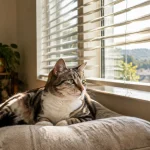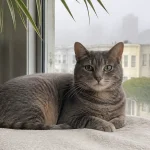
For Walnut Creek cat owners, September can bring warm afternoons, wildfire smoke, and major changes to the household schedule as school and work routines return. Cats often cope best when their environment remains predictable, cool, and quiet. This week, review five practical ways to protect your cat in neighborhoods including downtown Walnut Creek, Northgate, Rossmoor, Saranap, Heather Farm, and the Acalanes Ridge area.
Create a cooler plan for warm September afternoons
Walnut Creek’s inland location can mean hot, dry afternoons even when mornings feel comfortable. A cat who chooses a sunny window in the morning may need a cooler retreat later in the day, especially if your home does not have central air conditioning.
Set up more than one fresh water station in familiar areas. Place water away from litter boxes and busy walkways, and check the bowls during each meal or care visit. Some cats drink more readily from wide, shallow bowls, while others prefer a fountain. Continue offering the type of water setup your cat already accepts rather than making several changes at once.
Identify a cool room with shade, good airflow, and comfortable bedding. Close blinds on windows receiving strong afternoon sun, and never leave a cat in a garage, enclosed porch, or parked vehicle. Fans may improve comfort, but they should not be the only cooling strategy during a serious heat event.
Watch for panting, open-mouth breathing, drooling, weakness, vomiting, confusion, or collapse. These signs require prompt veterinary guidance, particularly in senior cats, overweight cats, kittens, and cats with heart or respiratory conditions. Move your cat to a cooler area while contacting a veterinarian, and do not force water or use ice-cold water without professional direction.

Prepare a smoke-ready indoor room
Wildfire smoke can affect Walnut Creek even when a fire is not nearby. Smoke may settle across Contra Costa County foothills, open space, and creek corridors, then enter homes through open windows, doors, and ventilation systems.
When smoke is visible or a Spare the Air alert is active, keep cats indoors. Close windows and exterior doors, set air conditioning to recirculate when possible, and avoid using fireplaces or other sources that add particles indoors. A portable HEPA or other high-efficiency air purifier can help create a cleaner-air room where your cat can rest.
Choose a room that your cat already knows. Include water, bedding, a litter box, and a familiar hiding option. Keep the purifier cord secured and allow your cat to move away from the airflow if desired. Avoid adding strongly scented cleaners, candles, essential oils, or aerosol products during a smoke event.
Check the Bay Area Air Quality Management District’s wildfire air quality resources and its Spare the Air information for current conditions and guidance. Cats with asthma or other respiratory concerns may need an individualized plan from their veterinarian.
Contact a veterinary professional promptly if your cat develops coughing, wheezing, rapid or labored breathing, open-mouth breathing, marked lethargy, or a sudden change in behavior. Smoke exposure can be especially concerning when combined with heat.
Keep the household routine steady
Back-to-school schedules, longer commutes, and changing work hours can alter a cat’s day without anyone intending to create disruption. Cats often notice changes in feeding times, household noise, bedroom access, and the amount of attention available.
Keep meals, medication, litter care, and playtime as consistent as possible. If a feeding time must change, shift it gradually when you can. For cats who enjoy enrichment, offer short, familiar activities such as a food puzzle, wand play, a treat search, grooming, or supervised window watching.
Give your cat a quiet retreat away from backpacks, visitors, video calls, and school-day activity. A covered bed, open carrier, or separate room can provide a choice without forcing your cat to interact. This is particularly helpful in busy homes in downtown Walnut Creek, Northgate, and Rossmoor, where household activity may increase sharply after summer.
If you will be away during the transition, a reliable in-home visit can help preserve the routine. Professional cat sitters San Francisco owners use for travel often serve other Bay Area communities as well, including Walnut Creek. Whether you search for cat sitting San Francisco, a San Francisco cat sitter, or local in-home support, look for caregivers who respect feline body language and provide clear updates.
Review senior and special-needs care plans
A busy week is a good time to review the care instructions for senior, recovering, diabetic, or otherwise medically sensitive cats. Small details matter, including the order of feeding and medication, preferred hiding places, litter box habits, mobility limitations, and the signs that should prompt a call to you or your veterinarian.
Prepare written instructions that include:
- Medication name, dose, route, and schedule
- Whether medication should be given with food
- What to do if a dose is refused, vomited, or missed
- Current veterinary contact information
- Emergency contact and authorization details
- Normal eating, drinking, urination, stool, and activity patterns
- The location of supplies, carriers, and prescribed food
Arrange refills before a trip or especially demanding workweek. A caregiver should never guess about a medication schedule or change a prescribed plan without veterinary direction. Cat medication management works best when instructions are current, supplies are organized, and the caregiver can confirm that the cat is eating and behaving normally.
For families researching senior cat care San Francisco, the same principle applies in Walnut Creek: regular observation is part of responsible care. A cat may hide discomfort, so a visit should include a calm visual wellness check, not only food and litter care. Mission Cats can discuss medication administration and special-needs visits through its in-home care services and services and rates.

Reduce outdoor and wildlife risks
The open spaces around Mount Diablo, the Contra Costa County foothills, Acalanes Ridge, Heather Farm, and nearby creeks are valuable habitat for wildlife. They also create reasons to be cautious with outdoor access, particularly during heat, smoke, and fire season.
For most cats, keeping them indoors is the safest choice. If your cat uses a catio or other enclosure, inspect screens, doors, roof panels, and gaps before the season changes. Do not leave food outdoors overnight, secure garbage and compost, and avoid creating an easy water or food source that attracts wildlife close to the home.
Coyotes and other wildlife may travel through residential areas, especially near open space and creek corridors. Keep cats indoors at dawn, dusk, and overnight, when wildlife activity may increase. If you see a coyote, do not approach or feed it. Bring pets inside, secure food and trash, and contact local authorities if an animal appears sick, injured, unusually aggressive, or trapped.
If your cat escapes, contact Contra Costa County Animal Services at 925-608-8400 or 510-942-4530 and begin checking nearby hiding places immediately. If you find injured native wildlife, do not handle it unless instructed. Call the Lindsay Wildlife Experience hospital hotline at 925-659-8156 for advice.
Keep a carrier, current veterinary records, food, medication, and a few days of supplies accessible in case smoke or fire conditions change quickly. The carrier should be familiar and easy to reach, not stored behind clutter.

Know where to turn in an emergency
Save emergency resources before you need them. For urgent breathing problems, heat concerns, poisoning, injuries, or sudden collapse, call a veterinary hospital while preparing to transport your cat.
Walnut Creek and nearby emergency options include:
- VCA Encina Veterinary Medical Center, 2803 Ygnacio Valley Road, Walnut Creek, CA 94598, 925-937-5000, open 24/7 for emergencies
- Veterinary Emergency Group, Pleasant Hill, 622 Contra Costa Boulevard, Suite A, Pleasant Hill, CA 94523, 925-384-2110, open 24/7
- SAGE Veterinary Centers Concord, 1410 Monument Boulevard, Concord, CA 94520, 925-627-7243, open 24/7 for emergencies
If you suspect your cat has ingested a poisonous substance, contact your veterinarian or ASPCA Animal Poison Control at 888-426-4435, available 24/7. For additional feline health information, consult the Cornell Feline Health Center’s health topics.
Plan reliable in-home care
A steady home routine can be especially valuable during hot, smoky, or unusually busy weeks. Mission Cats visits include feeding, fresh water, litter care, play or companionship as appropriate, medication administration when arranged, and wellness notes. Photo updates are also available for clients who want them.
If you are traveling from Walnut Creek or managing a demanding school and work schedule, complete new client registration or submit a request through the reservation portal. Reviewing the in-home care services and rates in advance gives everyone time to discuss your cat’s routine and special needs.
Disclaimer: This article is provided for general informational and educational purposes only. It does not constitute veterinary, medical, behavioral, legal, security, travel, emergency, or other professional advice. Every cat and household is different. Services, rates, policies, staffing, geographic coverage, and availability may change. Readers should confirm current information directly with Mission Cats In-Home Care and consult a licensed veterinarian or other qualified professional before acting. References to outside organizations, products, providers, or resources do not imply endorsement, partnership, availability, or guaranteed results. Submission of an inquiry, registration, or reservation request does not guarantee service or confirm a booking.
Sources
- Bay Area Air Quality Management District, Wildfire Air Quality Response Program
- Bay Area Air Quality Management District, Spare the Air
- VCA Encina Veterinary Medical Center
- Veterinary Emergency Group, Pleasant Hill
- SAGE Veterinary Centers Concord
- Contra Costa County Animal Services, Lost Pets
- Lindsay Wildlife Rehabilitation Hospital
- ASPCA Animal Poison Control
- Cornell Feline Health Center, Feline Health Topics
- Mission Cats In-Home Care