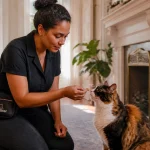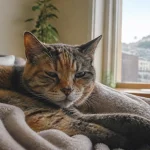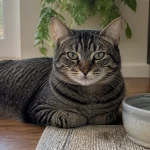
San Francisco’s late summer can bring cool fog, warm afternoons, smoky air, travel disruptions, and sudden changes in household routines. For cats, even small environmental changes can affect hydration, appetite, litter habits, and stress levels. If you will be away from Wednesday, August 12 through Tuesday, August 18, a thoughtful home-care plan can help your cat stay comfortable while giving you confidence that someone experienced is paying attention.
Late summer care starts with the home environment
San Francisco homes do not all experience the same weather. A sunny top-floor apartment in the Mission or Potrero Hill may become warm in the afternoon, while a home near the coast may stay cool and foggy. Rather than relying only on the forecast, consider the rooms your cat actually uses and how their temperature changes during the day.
Before leaving, identify your cat’s preferred resting areas and make sure they have access to:
- Fresh water in more than one location
- Shaded areas away from direct afternoon sun
- Cool flooring, such as tile or hardwood
- Familiar beds, blankets, or quiet hiding spaces
- Secure windows and screens
- Fans or air conditioning, if available and appropriate
Refresh water bowls before departure and explain your cat’s preferences to the sitter. Some cats drink more readily from wide ceramic bowls, while others prefer a fountain. If your veterinarian has approved wet food or additional moisture in meals, include those instructions in the care plan.
Cats often hide early signs of discomfort. A sitter who knows your cat’s normal behavior can notice when a cat is drinking less, eating more slowly, using the litter box differently, or resting in an unusual place.
Watch for heat stress, even in a cool coastal city
San Francisco’s temperatures may be moderate compared with other parts of California, but heat can still become a concern inside homes with strong afternoon sun, limited airflow, or no air conditioning. Senior cats, kittens, overweight cats, flat-faced breeds, and cats with heart or respiratory conditions may need closer monitoring.
Unusual panting or open-mouth breathing is not normal for most cats. Other warning signs can include excessive drooling, weakness, vomiting, confusion, difficulty breathing, staggering, or collapse. These signs require prompt veterinary attention. Move the cat to a cooler area, avoid stressful handling, and contact a veterinarian immediately. Do not force water into a cat’s mouth.
The Cornell Feline Health Center’s feline heat safety guidance offers additional background on recognizing heat-related problems. Every cat’s medical situation is different, so owners should also ask their veterinarian what risks are most relevant for their individual pet.
A professional in-home visit is especially useful during warmer spells because the sitter can check more than a food bowl. They can assess the room, refresh water, observe breathing and energy, and report changes while there is still time to respond.

Make a smoke and air-quality plan
Wildfire smoke can affect San Francisco even when a fire is far away. Smoke particles may irritate a cat’s eyes and airways, and cats with asthma, heart disease, or other respiratory conditions may be particularly vulnerable.
The City and County of San Francisco’s air-quality guidance recommends staying indoors with windows and doors closed when air quality is poor, using air purifiers when possible, and reducing the entry of outdoor air. You can also sign up for Spare the Air alerts and monitor AirNow’s real-time air-quality information.
Before your trip, write down simple instructions for smoky days:
- Keep the cat indoors and close windows and balcony doors.
- Run the air purifier or HVAC system as directed.
- Keep the cat in the cleanest, coolest room available.
- Avoid candles, incense, fireplaces, smoking, and high-heat cooking.
- Limit vigorous play if the air quality is poor.
- Contact the owner and veterinarian if coughing, gagging, watery eyes, nasal discharge, unusual fatigue, reduced appetite, or breathing changes appear.
A sitter should never improvise with a medical concern. Their role is to observe, communicate, follow the owner’s written instructions, and coordinate with the veterinarian when authorized.
Prepare clear instructions for every in-home visit
A good care sheet is more useful than a long collection of informal messages. Keep the information current and place it somewhere secure and easy for the sitter to find. Include each cat’s name, feeding routine, normal personality, hiding places, litter preferences, and any household instructions.
Your written plan should cover:
- Feeding amounts, timing, and food storage
- Water bowl locations and cleaning instructions
- Litter box locations and expected habits
- Medication names, doses, timing, and handling instructions
- Veterinary and emergency veterinary contacts
- A local backup contact who can make decisions if you are unreachable
- Instructions for fans, air conditioning, and air purifiers
- Door, window, and balcony safety
- Any areas that should remain closed
- Your preferred update method and frequency
For shy cats, include their favorite hiding places and explain what a normal sighting looks like. A cat does not need to be carried out or coaxed into prolonged interaction to receive good care. Respectful observation is often the best approach, provided the sitter can confirm the cat is safe and behaving normally.
Mission Cats has worked with a wide range of feline personalities since its founding in San Francisco’s Mission District in 2009. The team has cared for more than 8,000 cats across the Bay Area and focuses exclusively on in-home cat care. That cat-only experience matters when a sitter needs to distinguish between a cat who is simply hiding and one whose behavior has changed in a concerning way.
Keep travel and home security part of the care plan
Late summer travel can mean early departures from SFO, delayed returns, or an unexpected extra night away. Make sure your reservation covers the entire time you may be gone, including a cushion for delays when practical. Let the service know promptly if your return changes.
Security is part of responsible in-home care. Provide access instructions privately through the company’s approved process, not in a publicly visible note. Do not leave unnecessary information about your itinerary, valuables, or alarm codes in the home. A professional sitter should confirm that doors and windows are secure before leaving and should report anything unusual, such as a broken screen, water leak, power outage, or building access problem.
Photo updates can also be helpful, particularly when you are traveling. A clear photo may show that your cat is eating, resting, or participating in a familiar routine. Updates should support communication, not replace attentive care. If you prefer fewer updates, tell the service in advance.
Keep an emergency kit ready in San Francisco
San Francisco Animal Care and Control recommends preparing pets for emergencies before one occurs. The city’s pet disaster plan includes practical supplies such as a sturdy carrier, identification, food, water, non-spill bowls, litter, medications, vaccination records, recent photographs, and emergency contacts.
Store a cat-specific go-bag where a sitter or trusted backup person can locate it quickly. Include:
- A carrier for each cat
- Several days of food and water
- Medications and written dosing instructions
- Litter, a small litter box, and waste bags
- Towels, bedding, and a familiar comfort item
- Printed veterinary records
- Current photos and microchip information
- A written feeding and behavior sheet
Keep carriers accessible rather than packed away in a difficult-to-reach storage area. Make sure identification and microchip registration details are current. If an evacuation becomes necessary, cats should be secured in carriers and taken with the household whenever possible.
For city animal emergencies, verify current contact information directly through San Francisco Animal Care and Control. For smoke-related symptoms, the American Veterinary Medical Association’s wildfire smoke guidance recommends keeping pets indoors and contacting a veterinarian when signs such as coughing, breathing difficulty, eye irritation, weakness, or reduced appetite occur.
Why in-home cat sitting fits San Francisco cats
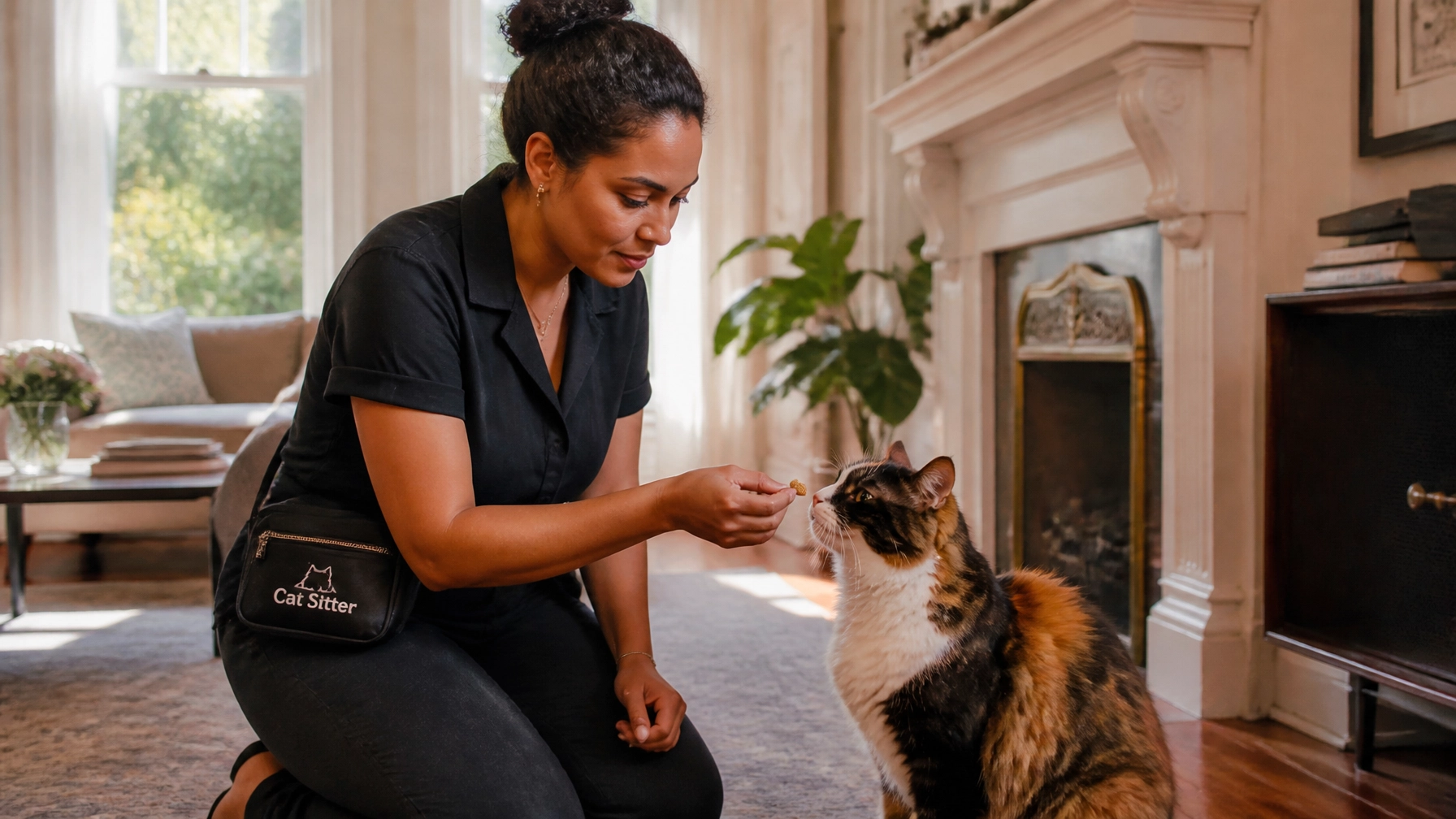
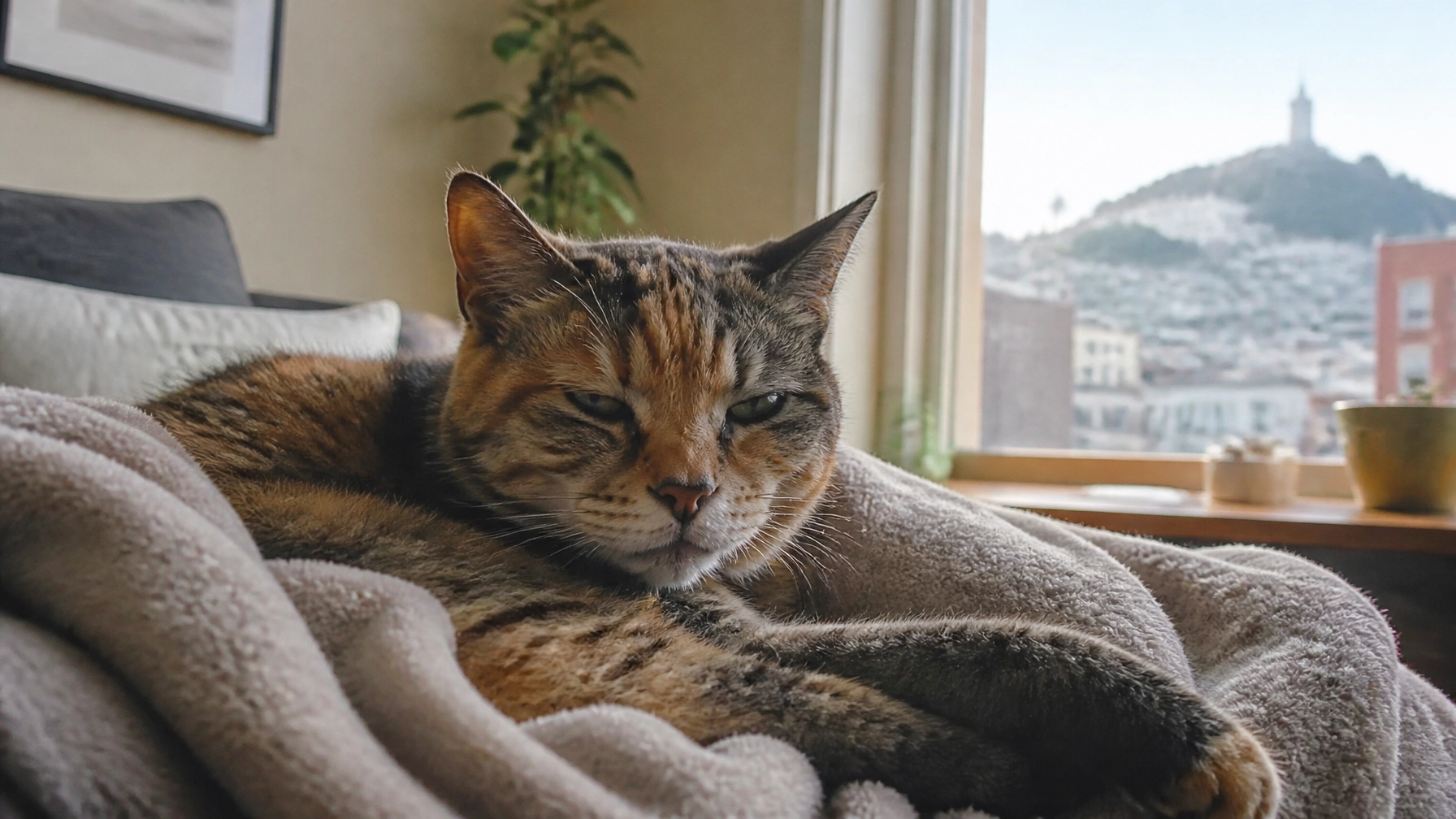
Many cats are more settled when they can remain in familiar surroundings. They keep their own food and litter routines, sleep in their usual spaces, and avoid the noise and unfamiliar smells of a boarding environment. This can be particularly important for senior cats, recovering cats, shy cats, and cats who become stressed by travel.
Mission Cats In-Home Care provides personalized visits for healthy and recovering cats throughout San Francisco and the Bay Area. Experienced staff can provide feeding, hydration support, litter care, enrichment, medication assistance when arranged, and observation tailored to your cat’s needs. The company also offers photo updates according to client preferences and can accommodate care planning for cats who prefer a quieter approach.
If you are traveling during the August 12 through August 18 care-note period, review your instructions now and arrange care before your departure. Visit Mission Cats In-Home Care to learn more, complete new client registration, or make a reservation.
Disclaimer: This article is provided for general informational and educational purposes only. It does not constitute veterinary, medical, behavioral, legal, security, travel, emergency, or other professional advice. Every cat and household is different. Services, rates, policies, staffing, geographic coverage, and availability may change. Readers should confirm current information directly with Mission Cats In-Home Care and consult a licensed veterinarian or other qualified professional before acting. References to outside organizations, products, providers, or resources do not imply endorsement, partnership, availability, or guaranteed results. Submission of an inquiry, registration, or reservation request does not guarantee service or confirm a booking.