
As our beloved feline friends grow older, they require extra care and attention to ensure their golden years are comfortable and happy. Senior cats have unique needs, and as a responsible pet owner, it’s important to understand how to meet them. Let’s explore the essentials of caring for your senior cat.
Recognizing the Signs of Aging in Cats
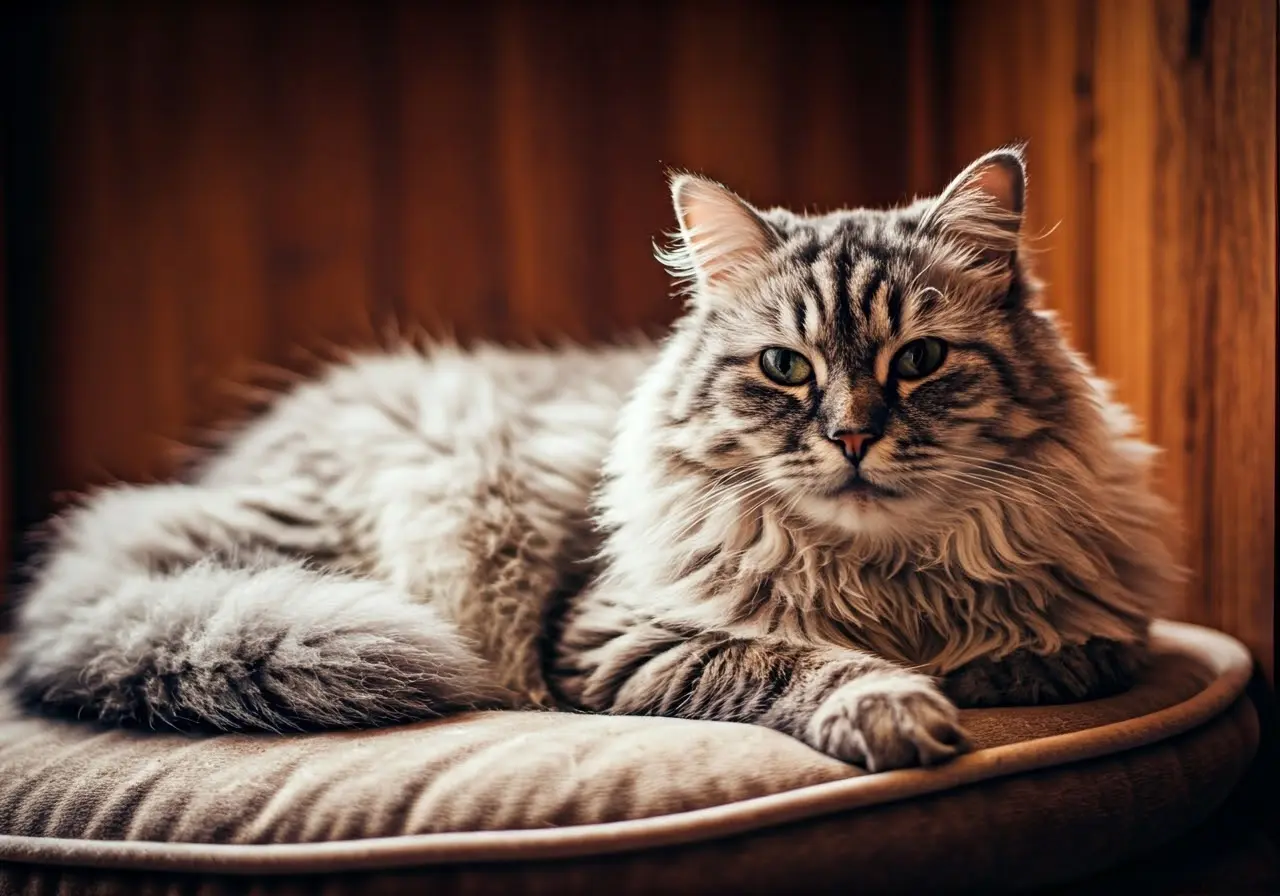
Recognizing the signs of aging in your beloved kitty can help you better understand their needs and make necessary adjustments in their care. Senior cats often exhibit reduced mobility, which can manifest as stiffness or reluctance to jump and play. They may also sleep more than they did in their youthful days, sometimes requiring more than 16 hours of rest. Don’t be alarmed; this is quite normal for an older feline. Changes in appetite are also common. While it’s not unusual for some cats to have less interest in food, significant weight loss could be an indicator of an underlying health issue. Pay attention to any behavioral shifts, such as increased vocalization, confusion, or irritability, as these may also be part of the natural aging process. Being observant and responsive allows you to cater your care to the specific needs of your senior cat.
In addition to the more obvious physical changes, there are subtle signs you might notice in your aging cat. For instance, changes in grooming habits can signal that your cat is not feeling well. Cats are fastidious groomers, but arthritis or dental issues might make this task more difficult. You might find tangles or greasy patches in their fur, which are indications that a helping hand with grooming is necessary. Moreover, cognitive decline, also known as feline cognitive dysfunction, is a condition akin to dementia in humans. A senior cat exhibiting disorientation, altered sleep patterns, or failing to recognize familiar people or objects may be experiencing this condition. These signs reinforce the importance of taking immediate action to provide appropriate care, ensuring your feline friend remains comfortable and well-cared for in their senior years.
Diet and Nutrition for Senior Cats
As cats age, their dietary needs can shift. Your senior feline may require fewer calories if they are less active, as increased weight can put strain on their joints and lead to other health issues. Nonetheless, it’s vital to ensure they are still receiving the essential nutrients that support a healthy aging process. For example, proteins should remain a significant portion of their diet. Consider incorporating high-quality protein sources that are easily digestible to support muscle maintenance and energy levels. Older cats might also benefit from foods rich in omega-3 and omega-6 fatty acids, which can help maintain healthy skin and coat while also supporting joint health.
Hydration is another crucial component of a senior cat’s diet. As cats age, their sense of thirst might decrease, leading to potential dehydration. Encourage water intake by providing fresh, clean water at all times. Wet food can be a great option to boost moisture consumption, complementing dry kibble. Observing your cat’s eating habits can also be telling; for instance, if you notice a change, such as difficulty eating hard food due to dental issues, it’s advisable to consult with your veterinarian. They might recommend a veterinarian-specific senior formula designed to meet the nutritional needs of aging cats. Understanding the nuances of feeding a senior cat ensures they receive the balance of nutrients necessary to maintain their health and vitality through their golden years.
Creating a Comfortable Environment
Making a few strategic changes in your home can significantly enhance the comfort and happiness of your senior cat. As mobility declines, accessible living spaces become increasingly important. Consider providing ramps or steps to help your cat access their favorite high places, like beds or window sills, without straining themselves. Additionally, soft and supportive bedding can alleviate the pressure on their joints, offering a cozy spot for rest.
The location and design of litter boxes also hold great importance. Place them on each level of your home to ensure easy access, and perhaps invest in a litter box with lower sides to make entry and exit less challenging for an aging cat. Furthermore, maintaining a quiet and safe space can promote relaxation and reduce stress in an older feline. Minimizing loud noises and providing hideaways where they can retreat undisturbed can contribute to a calm environment. Likewise, keeping a consistent routine for feeding and playtime provides stability and predictability, which are comforting for older cats. These thoughtful adaptations in their environment can make a world of difference in the quality of life for your aging companion.
Health Monitoring and Regular Vet Visits
Regular health check-ups become even more essential as cats enter their senior years. Scheduling routine vet visits is crucial to monitor any gradual changes in your cat’s health. During these exams, your vet will conduct a thorough physical assessment and may recommend screening tests to catch any possible health issues early on. Common concerns in senior cats include arthritis, kidney disease, and hyperthyroidism. Early detection of these conditions can lead to more effective management and treatment, preserving your cat’s quality of life.
Apart from vet visits, observing your cat’s behavior and appearance can help you pick up on any worrying signs between appointments. Regularly check their weight, coat condition, and activity levels, and be alert to any changes in appetite or litter box habits. Keeping a journal of these observations can be beneficial when discussing your pet’s health with your veterinarian. Proactive engagement in your cat’s health monitoring helps you support their needs effectively, providing the attention and care they deserve as they age gracefully.
Providing Mental Stimulation and Exercise
Even in their twilight years, cats remain curious and enjoy mental and physical stimulation. Regular play shouldn’t be overlooked for senior cats, as it provides essential exercise, mental engagement, and a fun bonding experience. Simple interactive games, like a feather wand or a soft ball, can encourage gentle exercise and are particularly beneficial when mobility is limited.
Aside from play, enriching your cat’s environment with toys that stimulate their senses can keep their minds sharp and reduce anxiety or boredom. For instance, puzzle feeders can combine meal time with mental exercise, offering an entertaining way for your cat to work for treats. Engage their senses by rotating toys and changing their play routine to keep things intriguing. Moreover, dedicating some time each day to gentle play encourages your older cat to stay active and maintain muscle tone. By giving your senior cat the right balance of exercise and mental enrichment, you contribute greatly to their overall happiness and health.
Final Thoughts on Senior Cat Care
Caring for a senior cat can be a rewarding experience, offering a deeper bond with your aging pet. By addressing their unique needs with love and attention, you can provide them with a comfortable and fulfilling life. Remember, every effort you make contributes to the joy and well-being of your furry companion.