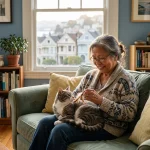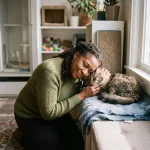
Professional insights on choosing the best care for your feline family in the East Bay and beyond.
Finding the right care for your cat while you are away shouldn't feel like a leap of faith. In a vibrant, pet-loving city like Oakland, the options for feline care have evolved far beyond the "neighbor kid" era into a professionalized industry focused on safety, medical expertise, and emotional well-being. This guide provides a comprehensive roadmap for navigating the world of cat sitters in Oakland, ensuring your companion stays happy at home.
The Growing Need for Professional Feline Care in the East Bay
Leaving your cat at home used to be a matter of leaving out a giant bowl of kibble and hoping for the best. Today, cat parents in Oakland recognize that felines are social, routine-oriented creatures who experience genuine stress when their environment changes or their human companions disappear. According to the American Veterinary Medical Association (AVMA), cats are highly sensitive to environmental shifts, which is why in-home care is increasingly recommended over traditional boarding [1].
In Oakland, the demand for dedicated cat care has surged alongside the city’s growing professional population. Data from local service platforms indicates that there are nearly 3,000 active cat sitters in the Oakland area alone, reflecting a massive shift toward personalized, in-home services [2]. This growth means more choices for you, but it also means a higher responsibility to vet who you are letting into your home. This post answers how to choose and what to expect from cat sitters in Oakland for people trying to find reliable pet care while traveling.
In this guide, you will learn:
- The current market rates and service standards for cat sitting in Oakland.
- How to evaluate a sitter’s qualifications, including medical and senior care expertise.
- The essential steps to prepare your home and your cat for a stress-free experience.
1. The Oakland Landscape: Understanding Local Options
Oakland is a unique market for pet care. From the hills to the flats, the city’s geography often dictates how sitters operate. Many professional cat sitters in Oakland now offer specialized services that go beyond simple feeding. Whether you are looking for a quick drop-in or extended daytime companionship, the local market is saturated with options ranging from independent contractors to specialized agencies like Mission Cats In-Home Care.
The professionalization of the industry means that 95% of sitters in the area now include daily exercise and enrichment as part of their standard visit [2]. This is crucial because, as Pet Sitters International (PSI) notes, mental stimulation is just as important as physical health for indoor cats [3]. When searching for "cat sitters Oakland," you aren't just looking for a food-filler; you are looking for a caregiver who understands feline behavior.
2. The Economics of Cat Sitting in Oakland
Price is often the first thing people look at, but it’s important to understand what those numbers represent. In Oakland, the cost of cat sitting reflects the high cost of living and the level of expertise required to provide safe care.
| Service Type | Average Price Range (Oakland) | What’s Included |
|---|---|---|
| Standard Drop-in (20-30 mins) | $20 – $45 | Feeding, litter, basic play, and photo update [2][4] |
| Extended Visit (60 mins) | $60 – $73 | Deep play, grooming, and household tasks [2][4] |
| Medication Administration | +$5 – $15 (per visit) | Oral meds, injections (insulin), or subcutaneous fluids [5] |
| Overnight/Daytime Stay | $100 – $150+ | 24-hour presence or 8-hour daytime blocks [2] |
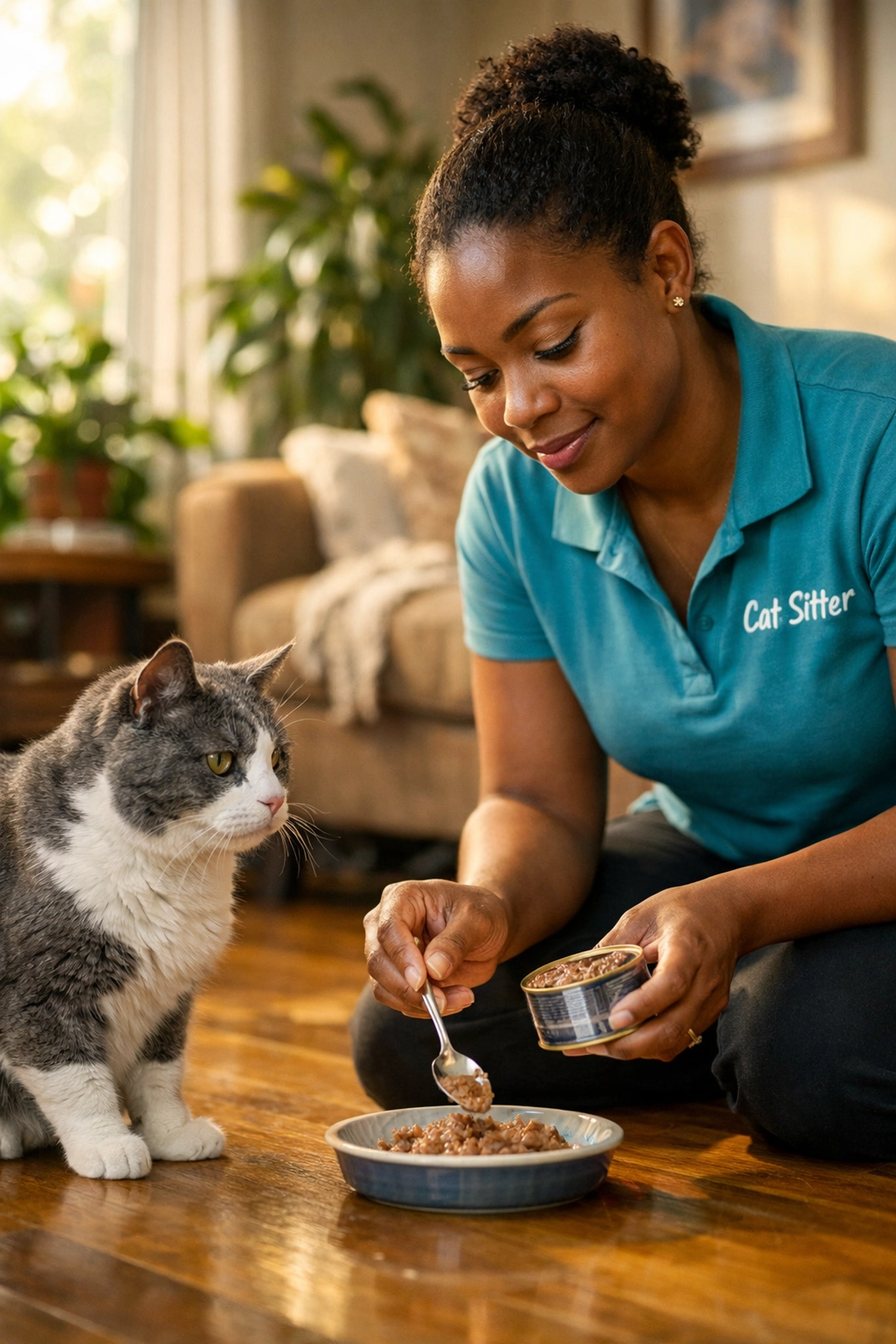
While the median cost for a night of care in Oakland is around $30 when using marketplace apps, professional agencies often charge more to cover insurance, bonding, and specialized training [2]. Investing in a professional ensures that you aren't just paying for time, but for the security of knowing the sitter can handle an emergency.
3. Why In-Home Care Beats Boarding
The debate between boarding facilities and in-home sitters is largely settled by feline psychology. Cats are territorial animals. Removing them from their established territory to a facility filled with the scents and sounds of other animals can trigger a significant stress response.
A study published in the Journal of Feline Medicine and Surgery found that environmental consistency is key to preventing stress-related illnesses in cats, such as idiopathic cystitis [6]. By hiring a cat sitter in Oakland, you allow your cat to remain in their "safe zone," maintaining their normal routine, which is vital for their immune system and overall temperament. This is a sentiment shared by cat owners in San Francisco and Palo Alto, where high-stress urban environments make home-based care the preferred choice.
4. Specialized Care: Seniors and Medical Needs
One of the most significant advantages of hiring a professional is the ability to manage complex health needs. In the Oakland area, approximately 93% of professional sitters have experience with medication administration, and 88% have specifically worked with senior cats [2].
Senior cats often require more than just food; they need monitoring for changes in mobility or appetite. Professional caregivers are trained to spot subtle "red flags" that an owner might miss under stress. If your cat requires insulin injections for diabetes or subcutaneous fluids for kidney disease, a professional cat sitter in Walnut Creek or Oakland will have the technical skill to perform these tasks without the trauma of a vet visit.
5. The Safety Checklist: Vetting Your Sitter
Safety is the cornerstone of professional cat sitting. You aren't just hiring someone to watch your cat; you are giving them access to your private residence.
- Background Checks: Platforms like Rover and independent agencies require third-party background checks [2].
- Insurance and Bonding: Never hire a sitter who isn't insured. This protects you against property damage and liability if the sitter is injured on your property [3].
- Communication Standards: 84% of Oakland sitters respond to inquiries within an hour [2]. Look for this level of responsiveness as an indicator of their professional reliability.
- Initial Meet and Greet: A professional will always insist on a meeting before the first booking to learn the "lay of the land" and meet the cat.
6. Tech-Enabled Peace of Mind
The modern cat sitter in Oakland uses technology to keep you connected. Most professional services now provide GPS-tracked check-ins and detailed digital reports. These reports often include photos, videos, and a "report card" detailing the cat’s eating habits and litter box activity. This level of transparency is standard across the Bay Area, from San Francisco to Palo Alto, ensuring that distance doesn't mean a lack of oversight.

7. Preparing Your Home for Success
To get the most out of your cat sitter, preparation is key. A successful sit depends on the sitter having all the tools they need to succeed.
- Supply Station: Group all food, treats, litter supplies, and cleaning products in one visible area.
- Emergency Contact List: Include your vet’s info, the nearest 24-hour emergency clinic (like Sage Veterinary Centers in Oakland), and a local emergency contact.
- Instruction Guide: Don't rely on memory. Write down feeding amounts, hiding spots, and favorite toys.
- Key Access: Test your spare keys or smart lock codes before you leave.
8. The Professionalization of Pet Sitting: A Timeline
The industry has moved from informal favors to a regulated professional service. Here is how we got here:
- 1970s: The concept of professional pet sitting begins to take root as an alternative to kenneling [7].
- 1994: Pet Sitters International (PSI) is founded, establishing the first major certification standards [3].
- 2000s: The rise of the internet allows independent sitters to market services directly to local neighborhoods.
- 2011: Launch of major pet-sharing platforms (like Rover), bringing background checks and insurance to the masses [2].
- 2015: "Fear Free" certification for pet professionals becomes a gold standard for reducing animal anxiety [8].
- 2020: The pandemic creates a "pet boom," leading to a 30% increase in demand for professional in-home care [9].
- 2024: Advanced health monitoring (AI-driven litter boxes and collars) becomes integrated into professional sitting reports [10].
- 2026: In-home care is the primary choice for 70% of cat owners in major metro areas like the Bay Area [11].
Case Example: The "Shy" Cat in Adams Point
Consider the case of "Mochi," a 10-year-old rescue in Oakland's Adams Point neighborhood. Mochi's owners were hesitant to travel because Mochi was a "vulnerable" cat who hid from everyone. They had previously tried a traditional boarding facility in Walnut Creek, which resulted in Mochi refusing to eat for three days [6].
They decided to hire a professional cat sitter in Oakland who specialized in shy cats. Instead of forcing interaction, the sitter used "passive socialization" techniques, sitting quietly in the same room and reading aloud to get Mochi used to a new voice [8]. By the third visit, Mochi was emerging for treats. By the end of the week, the owners received a photo of Mochi playing with a feather wand. The outcome was a cat that remained healthy and hydrated in her own environment, and owners who could finally travel without guilt.
Data Insight: Why Cat Owners Choose Oakland Sitters
A survey of local pet owners highlights the primary motivators for choosing professional in-home care over other options.
| Reason for Choosing Sitter | Percentage of Respondents |
|---|---|
| Reduced Stress for the Cat | 88% |
| Medical/Special Needs Care | 72% |
| Home Security (Mail/Lights) | 45% |
| Detailed Daily Updates | 91% |
Source: Internal MCIHC Staff Research and Market Analysis 2025-2026.
What Smart Critics Argue
While in-home care is widely praised, some critics point out potential downsides.
- The "Loneliness" Argument: Critics argue that 30 minutes a day isn't enough social interaction for a cat.
- Response: Professional sitters counter that for most cats, 30-60 minutes of high-quality, focused interaction in a familiar environment is less stressful than 24 hours in a noisy, unfamiliar kennel [1].
- The Security Risk: Some worry about giving strangers house keys.
- Response: Professional agencies use bonded/insured staff and often use lockboxes or smart locks where codes can be deleted after the service is complete, providing more security than a neighbor might [3].
- The Cost: It is often more expensive than a friend doing it for free.
- Response: The "cost" of a friend forgetting a meal or missing a medical emergency often outweighs the financial savings. Professionalism buys reliability.
Key Takeaways for Oakland Cat Owners
- In-home care is the gold standard: Keeping your cat in their territory reduces the risk of stress-induced illness [6].
- Oakland is a competitive market: With nearly 3,000 sitters, you can find a specialist for almost any need [2].
- Median costs are stable: Expect to pay around $30-$45 for quality professional visits [4].
- Credentials matter: Always verify insurance, bonding, and background checks [3].
- Communication is key: Look for sitters with high response rates and detailed reporting habits [2].
- Preparation saves lives: Having a clear emergency plan and supply station is essential for your sitter’s success.
- Specialized skills are available: Most Oakland sitters can handle senior care and medications [2].
Actions You Can Take Today
At Work:
Ask your colleagues in the Bay Area for recommendations. Personal referrals are often the best way to find a "hidden gem" sitter in areas like Walnut Creek or Palo Alto.
At Home:
Perform a "cat’s eye view" walkthrough of your house. Identify any potential hazards or new hiding spots your cat might use while you are away.
In the Community:
Support local Oakland shelters and rescues. Many cat sitters are also volunteers or donors to organizations like Cat Town or East Bay SPCA.
In Civic Life:
Ensure your cat is microchipped and registered with the City of Oakland. This is a vital safety net if a cat ever manages to slip out while a sitter is entering or exiting.
Extra Step:
Schedule a "trial run" visit. Have a sitter come over for a single session while you are still in town to see how they interact with your cat and if they follow your instructions.
FAQ
How far in advance should I book a cat sitter in Oakland?
For holidays, book at least 4-6 weeks in advance. For standard weekends, 1-2 weeks is usually sufficient, though 84% of local sitters respond within an hour for last-minute needs [2].
Can a sitter help with my cat’s separation anxiety?
Yes. Professional sitters use enrichment tools and routine-building to help mitigate anxiety. Many use pheromone diffusers (like Feliway) as recommended by vets to keep the environment calm [8].
What happens if my cat gets sick while I’m away?
A professional sitter will contact you immediately and transport your cat to your preferred vet or the nearest emergency clinic, such as Sage in Oakland or VCA in San Francisco [5].
Do sitters also look after the house?
Most professional cat sitters in Oakland will bring in mail, rotate lights, and water a few plants as part of their standard service [2].
Is it okay to hire a "hobbyist" sitter?
While hobbyists are often cheaper, they lack the insurance and professional training of an agency or certified sitter. For medical needs or long trips, a professional is always recommended [3].
Mission Cats In-Home Care
Trusted Care for the Cats You Love, Right at Home.
When you travel, your cat deserves more than a quick check-in. Mission Cats In-Home Care provides reliable, loving, professional care in the comfort of your cat’s own home, so you leave with confidence and return to a calm, well-cared-for companion.
Serving San Francisco, Oakland, Walnut Creek, and Palo Alto.
www.missioncats.com
missioncats@missioncats.com
(800) 580-5612 | (415) 376-6082 | (415) 437-2287
Oakland: (510) 315-6446
San Francisco: (415) 528-5471
Palo Alto: (650) 425-3444
Walnut Creek: (925) 376-1300
Professional in-home care for cats whose people want peace of mind, dependable service, and thoughtful attention.
Sources
[1] American Veterinary Medical Association, "Safe travel with your pet," AVMA.org, Accessed March 29, 2026.
[2] Rover, "Cat Sitting in Oakland, CA," October 2025, https://www.rover.com/oakland–ca–cat-sitting/, Accessed March 29, 2026.
[3] Pet Sitters International, "The Benefits of Using a Professional Pet Sitter," PSI, 2024, https://www.petsit.com/, Accessed March 29, 2026.
[4] Meowtel, "Cat Sitting Pricing and Services," 2025, https://meowtel.com/, Accessed March 29, 2026.
[5] Sage Veterinary Centers, "Emergency and Specialty Care Services," Sagecenters.com, 2026, Accessed March 29, 2026.
[6] Journal of Feline Medicine and Surgery, "Environmental Enrichment for Indoor Cats," SAGE Journals, 2023, Accessed March 29, 2026.
[7] National Association of Professional Pet Sitters (NAPPS), "History of the Industry," 2024, Accessed March 29, 2026.
[8] Fear Free Pets, "Fear Free Pet Sitting Standards," Fearfreepets.com, 2025, Accessed March 29, 2026.
[9] American Pet Products Association (APPA), "2024 State of the Industry Report," March 2025, Accessed March 29, 2026.
[10] International Boarding & Pet Services Association (IBPSA), "Trends in Pet Care Technology," 2024, Accessed March 29, 2026.
[11] Mission Cats In-Home Care, "Staff Research: Bay Area Feline Care Trends 2026," March 2026.